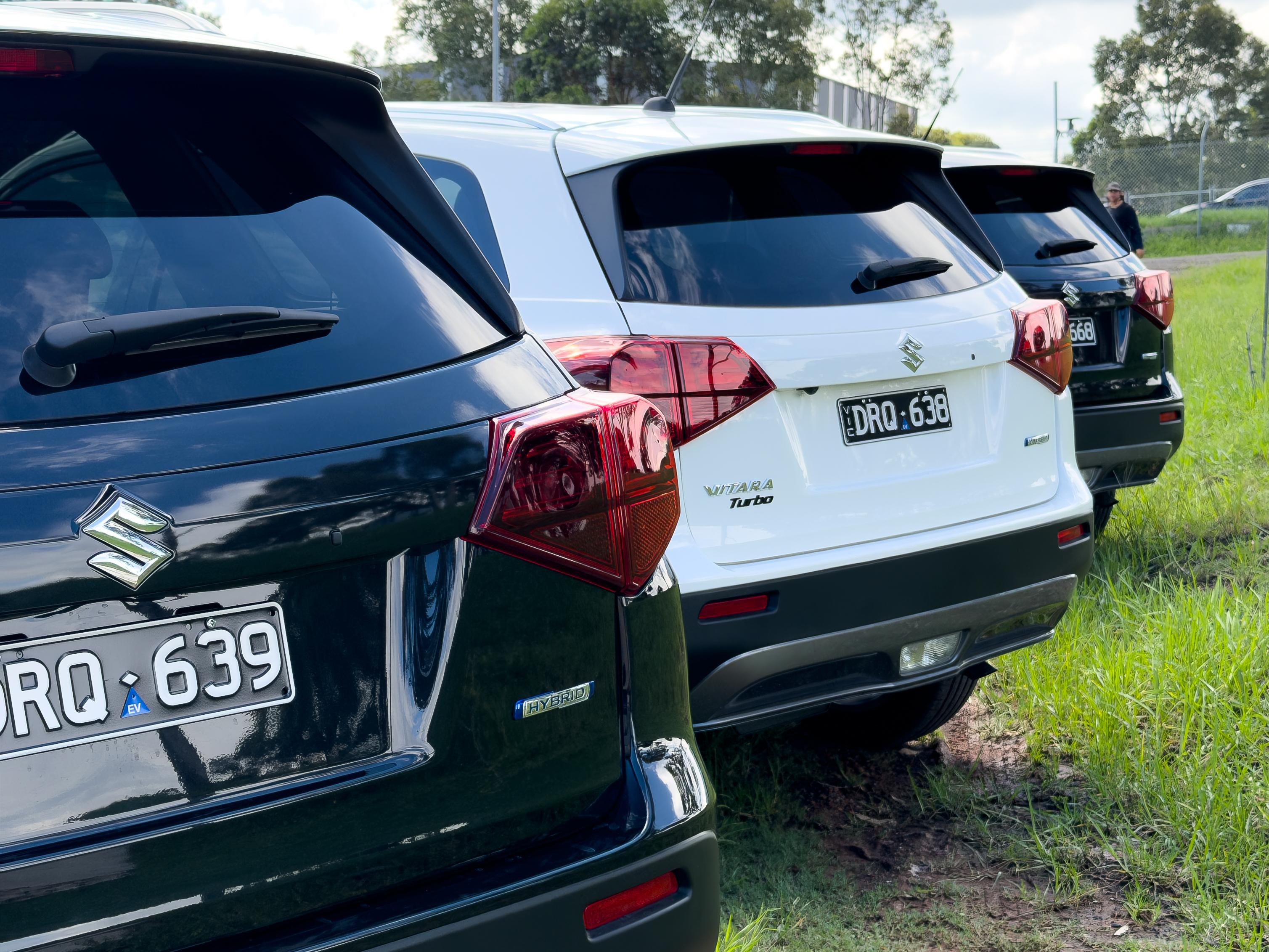
2026 Suzuki Vitara Hybrid review: Quick drive
The Suzuki Vitara has had its second facelift, and it finally arrives in Australia some two years after it was revealed for Europe and more than a decade since this current fourth-generation small SUV was first launched in Japan.
While it might take a keen eye to spot the design differences – of which there are few – the headline act for Australia is the introduction of a mild-hybrid powertrain across the lineup, similar in concept to the Swift hatchback.
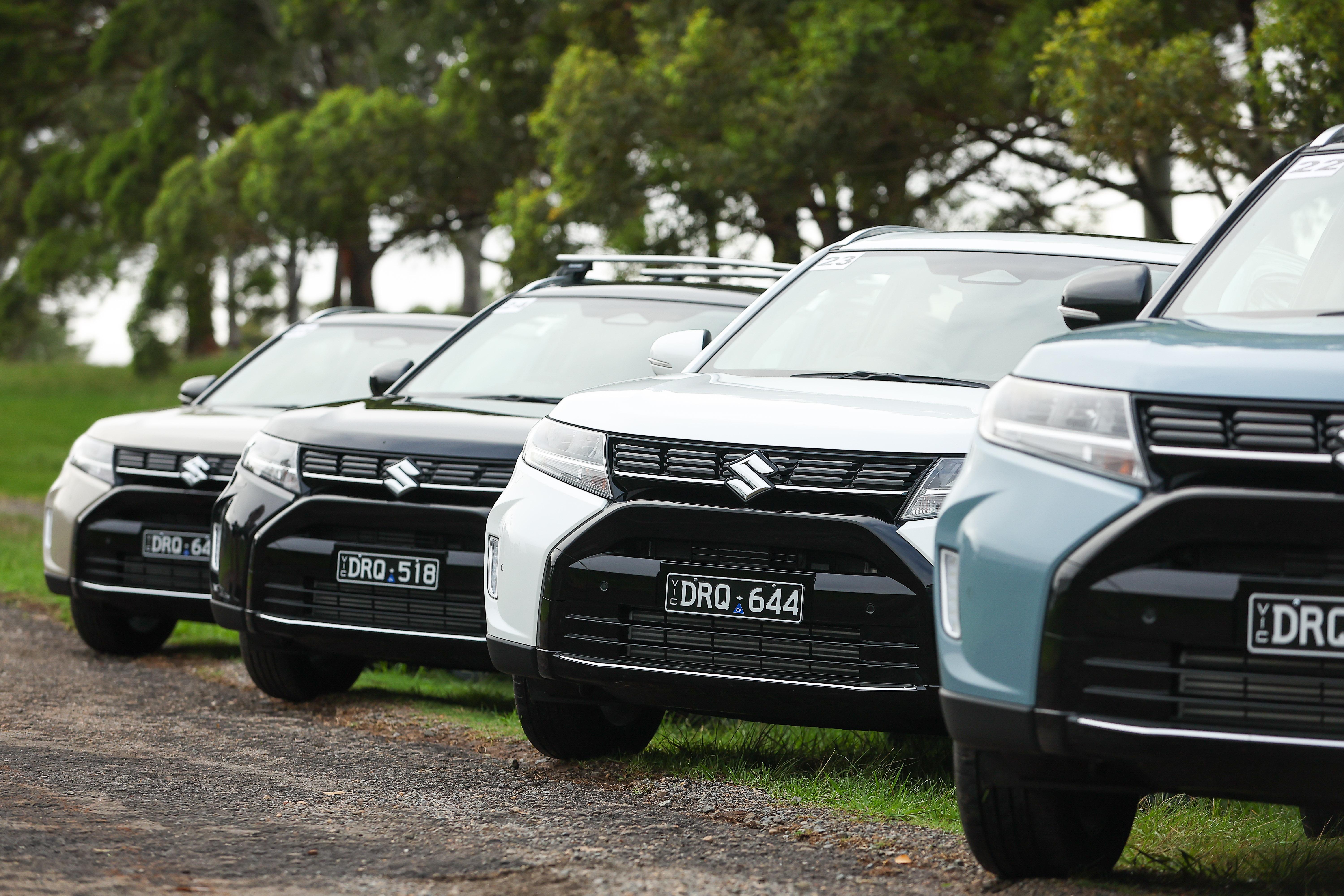
The 2026 Suzuki Vitara Hybrid continues to be sourced from Hungary for the Australian market, making it something of a Euro-adjacent proposition despite wearing a Japanese badge, with the more economical (claimed) power unit backed by technology and specification upgrades to boot.
But, is it enough? The small SUV segment is one of the most competitive out there, and the Vitara Hybrid’s premium price positioning hinders it from competing with budget-priced Chinese alternatives while also putting it in the thick of household names.
To find out if Suzuki’s little SUV is still worth your consideration, we had a brief launch drive in Sydney alongside the new all-electric e Vitara and updated Jimny off-roader.
How much does the Suzuki Vitara cost?
The electrified Vitara lineup launches in Australia in two trim levels, priced from $39,990 drive-away.
| Model | Price before on-road costs | Drive-away pricing |
|---|---|---|
| 2026 Suzuki Vitara Turbo Hybrid | $38,990 | $39,990 |
| 2026 Suzuki Vitara Turbo Hybrid AllGrip | – | $45,990 |
It means the Hungarian-sourced Suzuki starts in the same ballpark as the cheapest Hyundai Kona Hybrid (from $36,950 before on-roads, or $39,990 drive-away), while undercutting the base Toyota Corolla Cross Hybrid (~$42,000 drive-away).
While the Vitara (mild) Hybrid lines up okay against mainstream-branded competition, the Chery Tiggo 4 Hybrid can be had from just $29,990 drive-away – a whole $10,000 less – while the GWM Haval Jolion HEV starts from $29,999 drive-away as well.
So as you can see, the Vitara is positioned at the more premium end of the small SUV class, despite Suzuki’s reputation for budget-oriented motoring.
To see how the Suzuki Vitara lines up against the competition, check out our comparison tool
What is the Suzuki Vitara like on the inside?
To be honest, not much has changed.
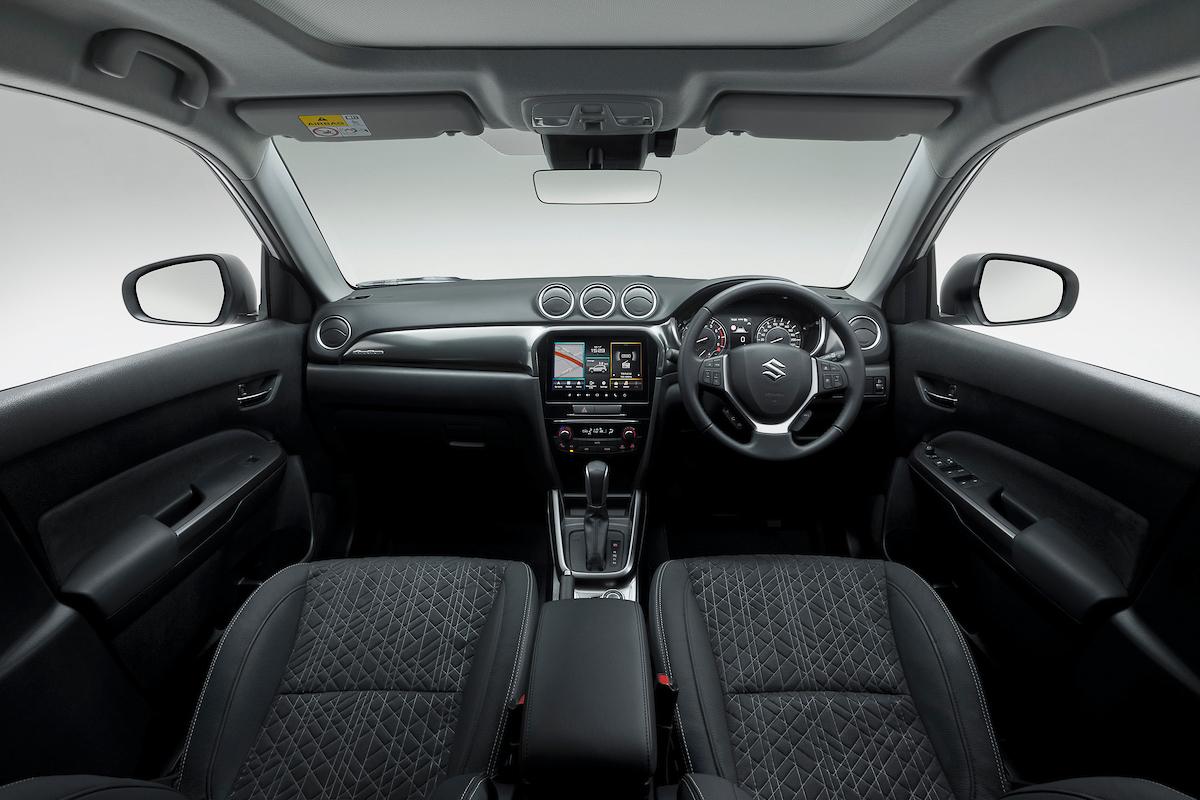
While you can distinguish the Vitara Hybrid from its predecessor by looking at its face, the differences inside the cabin are far less conspicuous, and more or less limited to the display technology.
Both the driver’s instrument cluster and central infotainment displays are new or updated for MY26, with the former adding a couple of new displays including a digital speedometer readout, while the latter runs a new software interface as seen in the latest Swift and offers wireless Apple CarPlay and Android Auto in the flagship AllGrip version.
It’s all fine and decidedly ‘old-school’ in look and feel, especially in an era of massive tablet-style displays and touch-capacitive switchgear, which could be make-or-break depending on which side of the fence you lean on.
Most of the key touchpoints feel nice, like the leather steering wheel and chunky gear shifter, while the solid (if dated) buttons and switches have a nicely damped action to them.
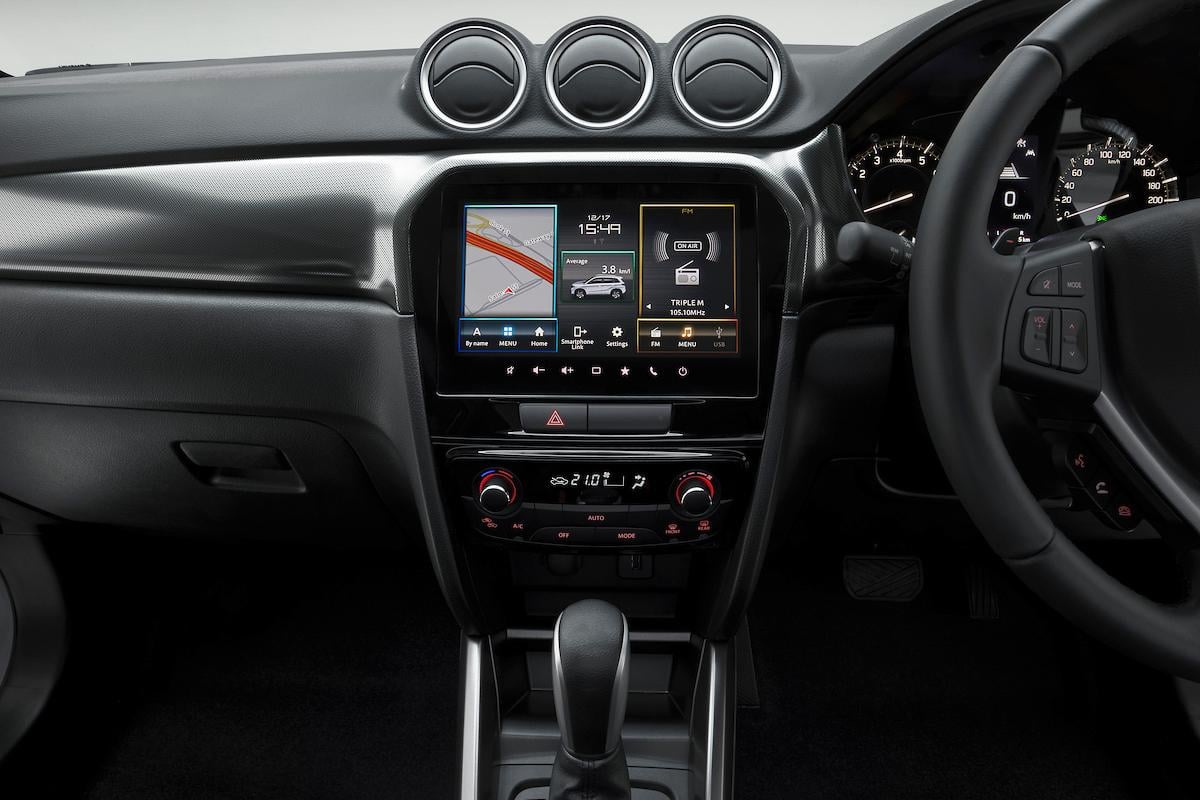
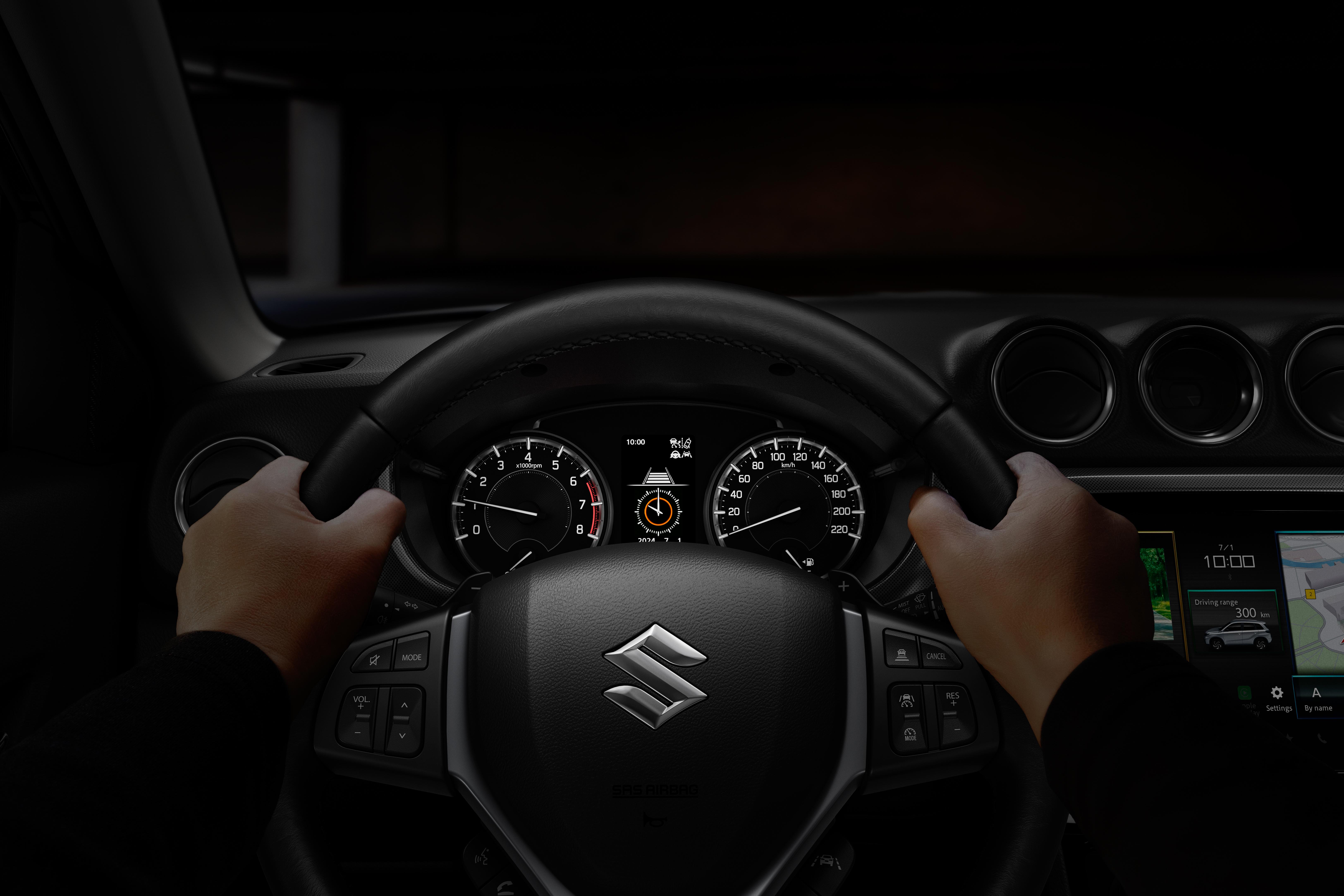
That said, with the exception of the dashboard upper and front-row armrests, the interior of the Vitara is largely lined with hard and scratchy or piano-black plastics, which may look fine on first impressions but aren’t super-plush to touch.
It’s a similar story with the central infotainment touchscreen, which looks neat and tidy on initial presentation but is a bit laggy and unsophisticated in real-world use, especially compared to the systems available in similarly priced rivals.
Further, the base car’s 7.0-inch display lacks wireless smartphone mirroring, while the top-spec variant's 9.0-inch unit features a cableless connection and inbuilt navigation. While it’s still fine and an improvement over the previous model’s infotainment system, it’s below average among today’s company.
The base model’s cloth upholstery is again fine but the front seats themselves lack bolstering and everything feels a little plain. The AllGrip ups the ante with leatherette bolsters and a swish suede insert featuring a tyre tread-like pattern, but again it’s not all that different to the last one.
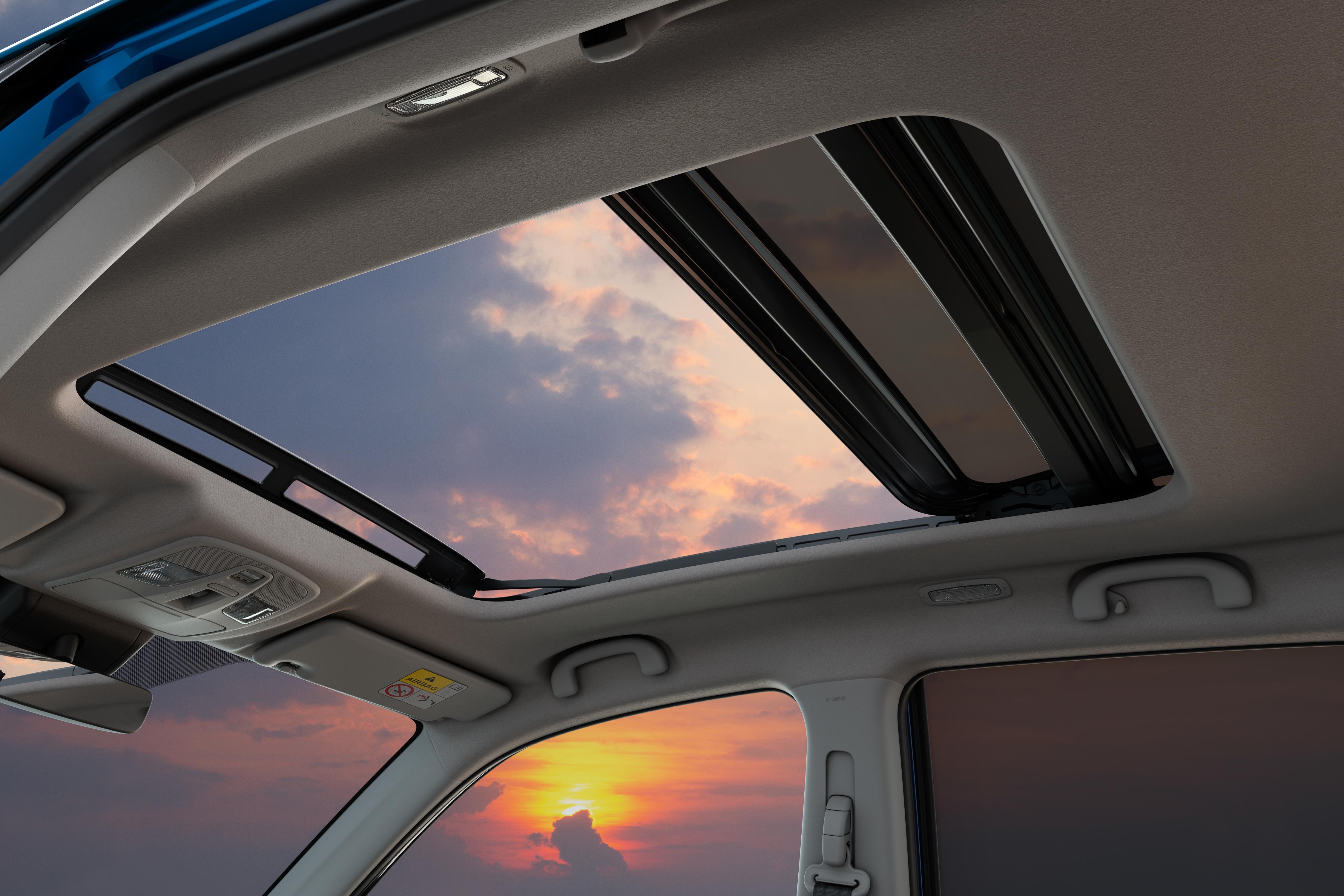
The big sunroof in the AllGrip version eats into headroom in both rows a bit, and storage isn’t a strong point either.
There’s a shallow shelf below the centre stack that sees larger phones jutting out and smaller items like keys sliding around, while the squared-off cupholders between the front seats are an odd size and shape.
An average-sized bin under the centre armrest and small door bins with bottle holders round out the storage solutions up front.
The plastic manual handbrake lever and basic-looking gear shifter feel quite cheap. It’s all just feeling dated and a bit undercooked compared to the competition these days.
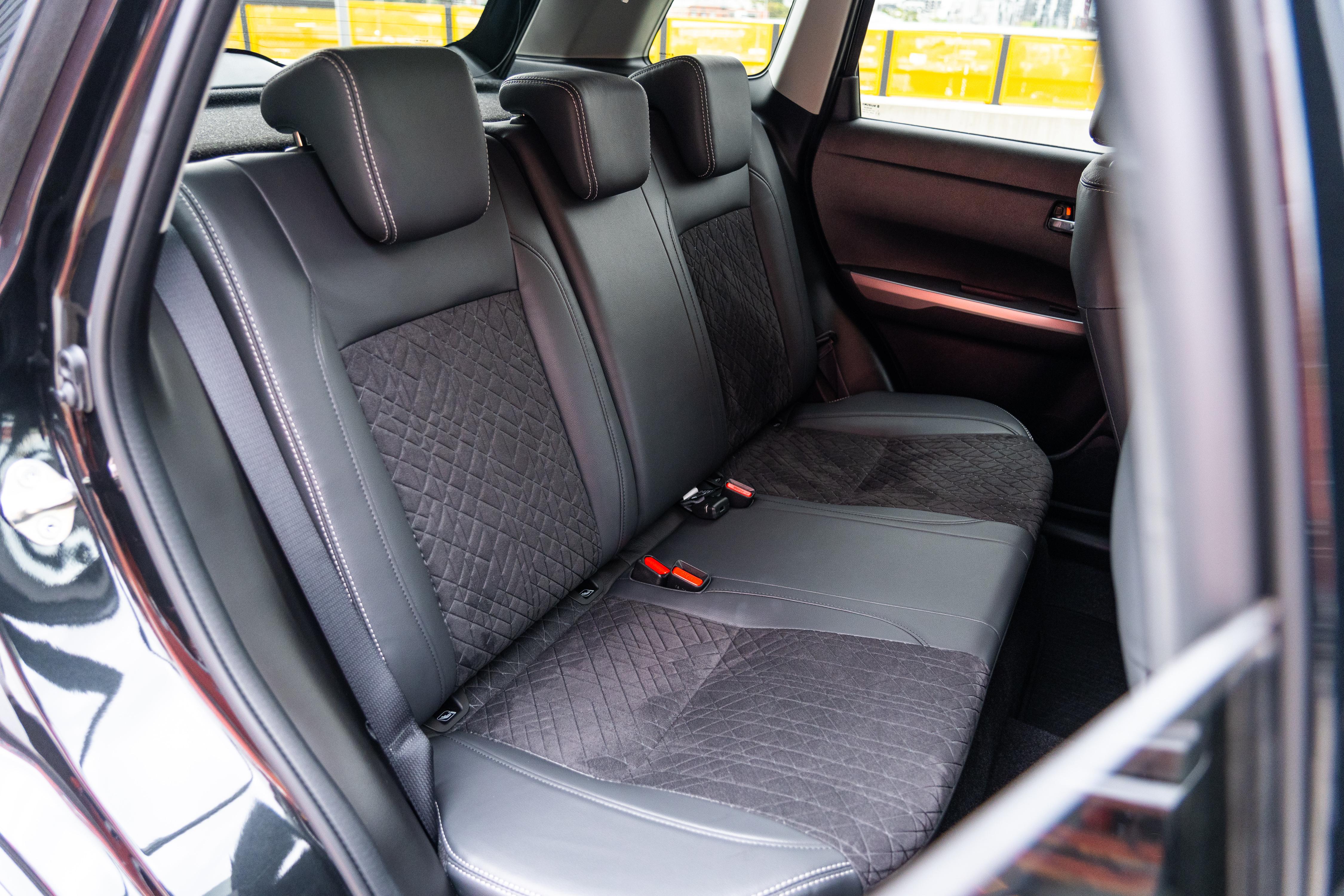
In the second row the Vitara again is starting to show its age compared to better packaged and furnished competition.
This is one of the smaller vehicles in its class, and that’s definitely clear if you’re six feet tall or taller. Knee room behind a taller driver (I’m 6’1) is quite tight, and headroom is pretty compromised with that panoramic glass roof.
You’ll also find no rear air vents, no seatback map pockets, and no fold-down centre armrest. It’s quite spartan, but there are bottle holders in the doors.
There are ISOFIX anchors in the window seats and top-tether points across all three rear positions, so the kiddies are catered for.
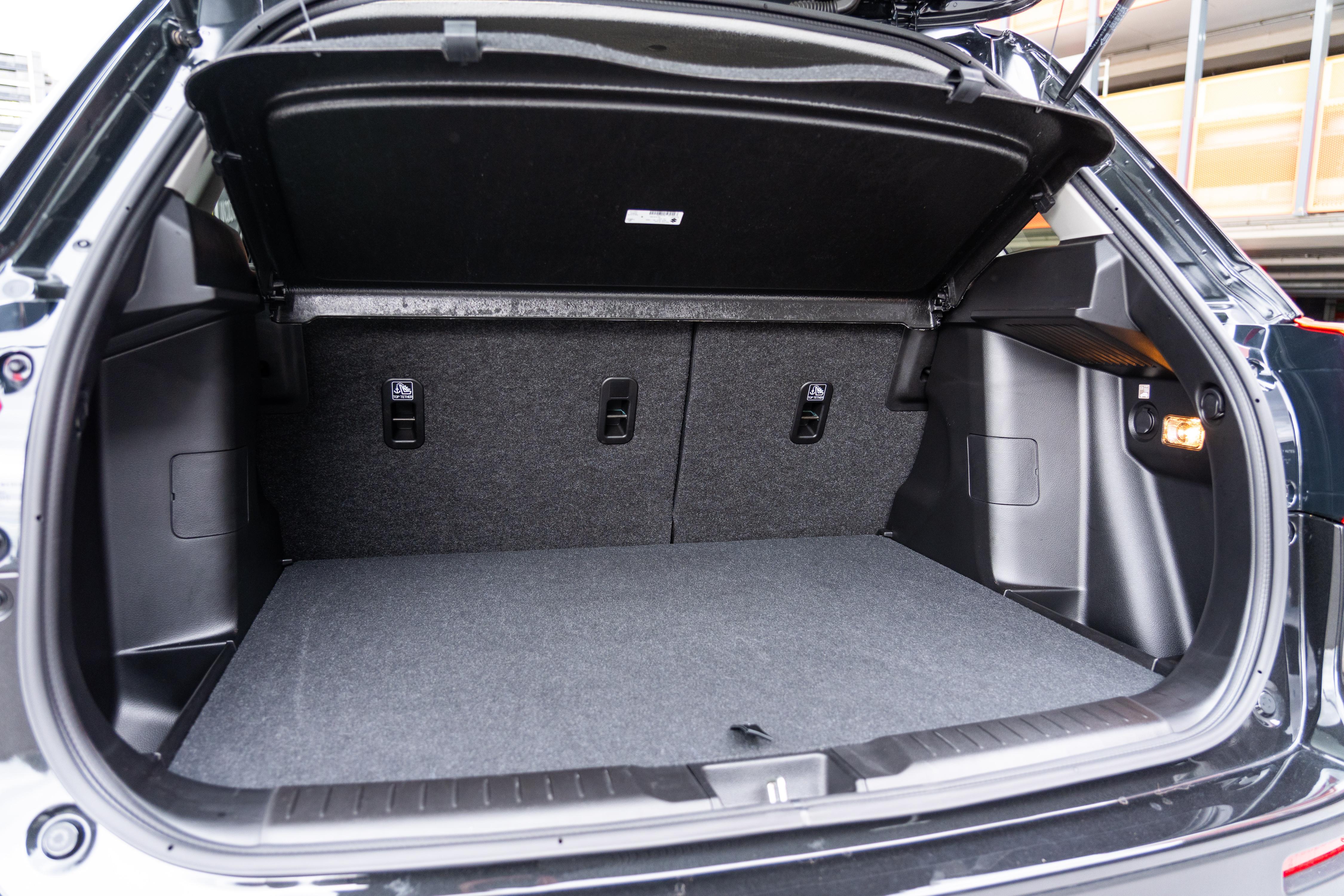
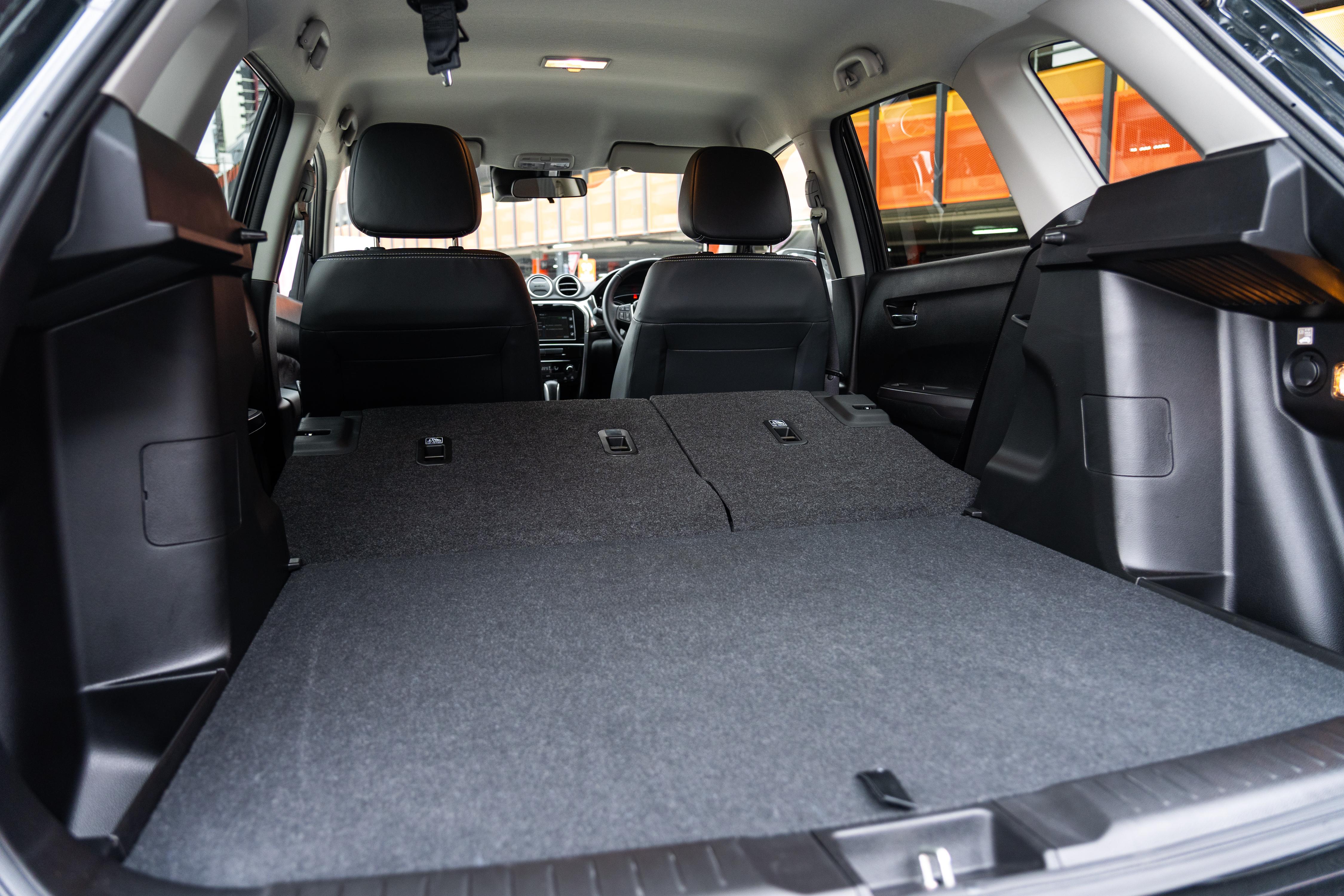
Compared to the outgoing model, the Vitara Hybrid's quoted cargo capacity has dropped slightly despite the 48-volt hybrid battery being placed not in the boot under the front seats to optimise weight distribution.
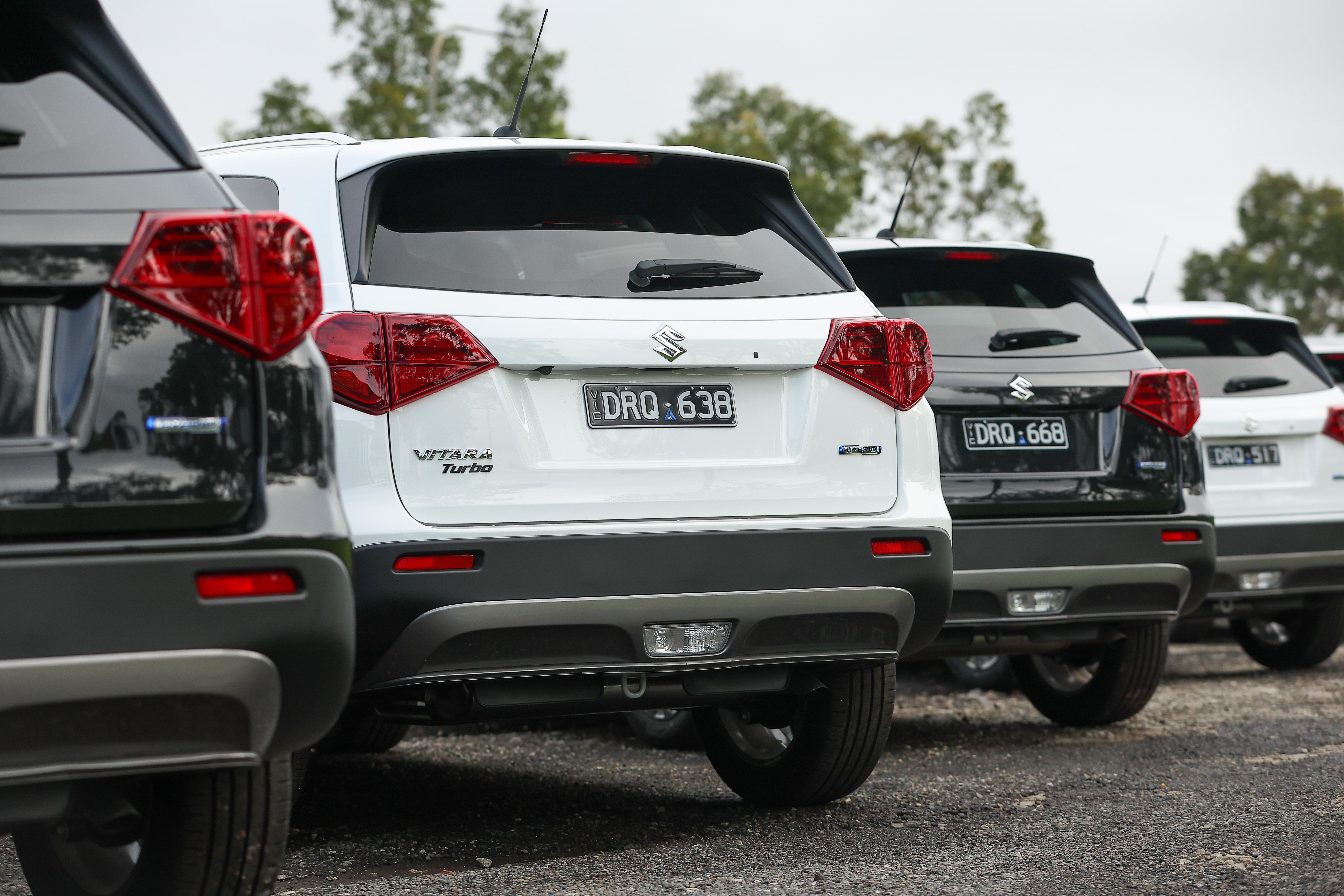
Suzuki quotes 362 litres with the rear seat backs up, and 642L with them folded. There’s also a quoted “maximum” volume of 1119L, presumably measured to the roof. Regardless, it remains on the smaller side in this class.
| Dimensions | Suzuki Vitara Hybrid |
|---|---|
| Length | 4175mm |
| Width | 1775mm |
| Height | 1600mm (1595mm with sunroof) |
| Wheelbase | 2500mm |
| Ground clearance | 175mm |
| Cargo capacity | 362L – rear seats up 642L – rear seats folded 1119L – Maximum, to roof |
To see how the Suzuki Vitara lines up against the competition, check out our comparison tool
What’s under the bonnet?
The Vitara Hybrid range utilises the old Vitara Turbo’s 1.4-litre ‘Boosterjet’ turbocharged petrol engine mated with a 48V mild-hybrid system.
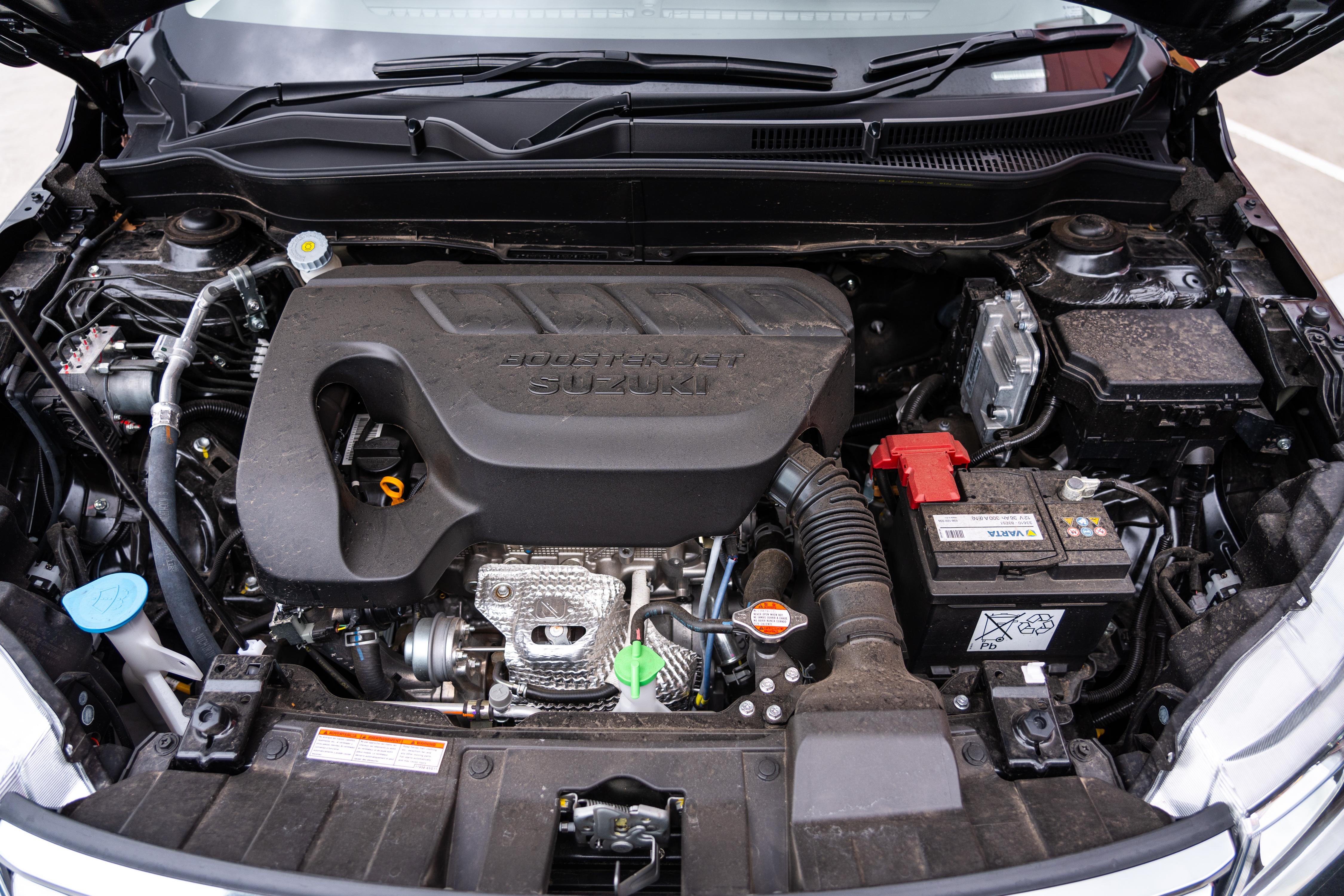
| Specifications | Suzuki Vitara Hybrid |
|---|---|
| Engine | 1.4L turbo-petrol 4cyl 48V MHEV |
| Power | 80.9kW at 4500rpm |
| Torque | 235Nm at 2000-2500rpm |
| Transmission | 6-speed auto |
| Drive type | Front- or all-wheel drive |
| Weight | 1245kg – FWD 1275kg – AWD |
| Fuel economy (claimed) | 5.8L/100km – FWD 5.9L/100km – AWD |
| Fuel economy (as tested) | 5.8-6.4L/100km |
| Fuel tank capacity | 47L |
| Fuel requirement | 95-octane premium unleaded |
| CO2 emissions | 129-130g/km – FWD 137-139g/km – AWD |
The move to mild-hybridisation has dropped the quoted maximum power output (80.9kW vs 103kW) compared to the outgoing Vitara Turbo, but peak torque has increased by 15Nm to 235Nm. Suzuki says the mild-hybrid system can assist with an extra 50Nm under acceleration, bringing the theoretical torque maximum to 285Nm for short bursts – which is quite a bit for a vehicle weighing under 1.3 tonnes.
Quoted fuel consumption has only improved marginally according to official metrics (5.8-5.9L/100km vs 5.9-6.2L/100km), but the e-assist under load and the extended idle stop-start function will widen that gap in real-world urban driving.
For reference, the last time I drove the Vitara Turbo AllGrip I saw an indicated readout of 8.0L/100km after a week’s worth of mixed driving, while our relatively brief launch drive in the Vitara Hybrid range yielded an indicated readout of 6.4L/100km – though we didn’t spend as much time in city traffic.
We’ll have to get the Vitara Hybrid through the CarExpert garage for further testing to get a more realistic idea of the 48V MHEV system’s performance in daily commuting.
To see how the Suzuki Vitara lines up against the competition, check out our comparison tool
How does the Suzuki Vitara drive?
Our brief drive of the Vitara Hybrid took us out and around the surrounds of Sydney Motorsport Park in Eastern Creek, NSW, which totalled only around 35-45 minutes behind the wheel, disappointingly.
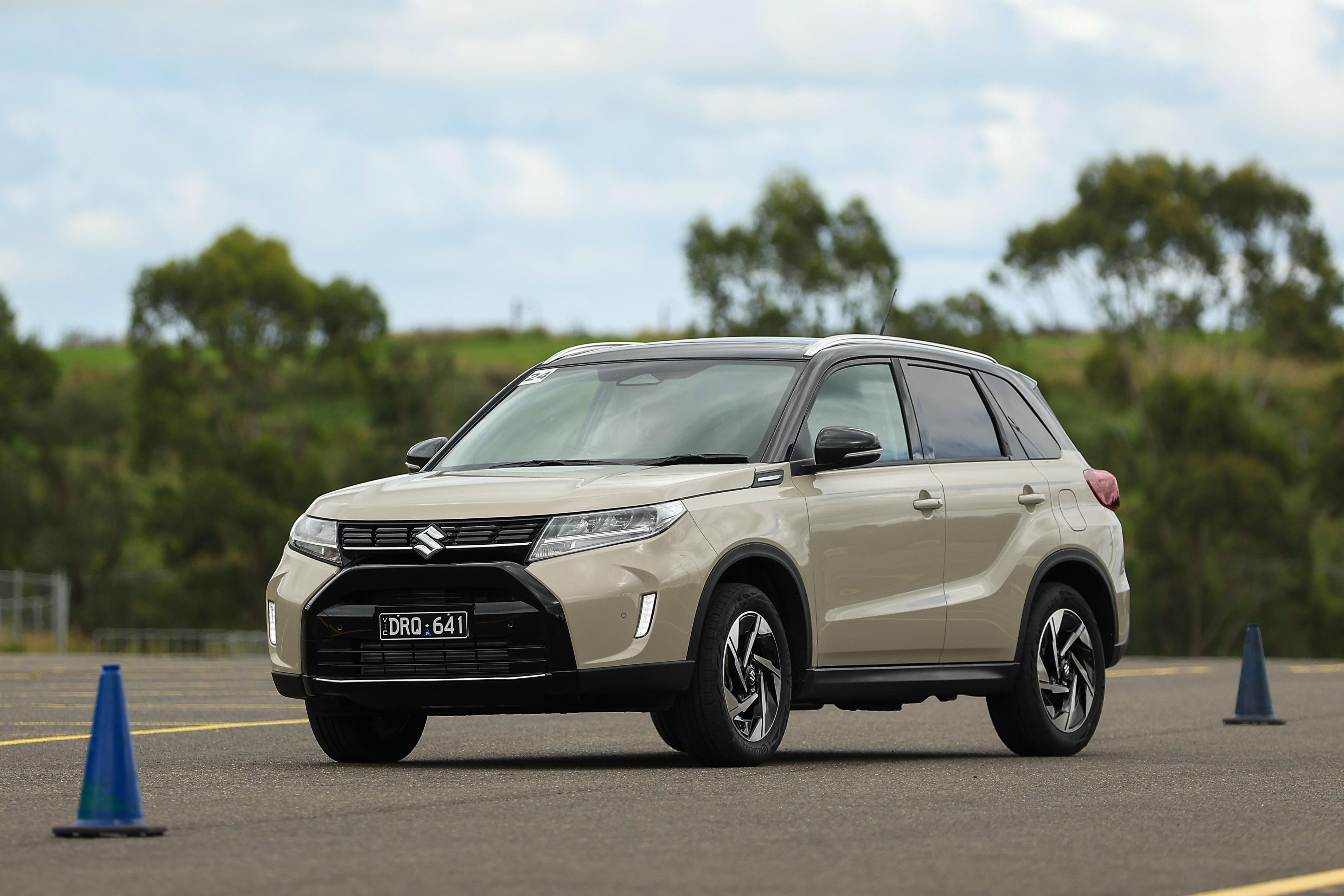
This was bolstered by a bit of soft-roading, performance testing and a slalom handling test, but in totality our experience with the updated Vitara was relatively brief – so keep that in mind when reading my impressions below.
A hallmark of the outgoing Vitara Turbo was its boosty, enthusiastic nature as well as its keen and chuckable dynamics, and the new Hybrid goes a decent way to uphold that reputation.
While down on power, the added torque keeps the Vitara’s modest outputs from feeling underdone in regular driving scenarios, and the six-speed automatic is pretty solid at shuffling through ratios while keeping the engine on the boil.
The quick and accurate steering also makes this small SUV feel light and darty in the bends, with playful body roll which is kept nicely in check. In the AllGrip, you have the added assurance of on-demand all-wheel drive should you need it.
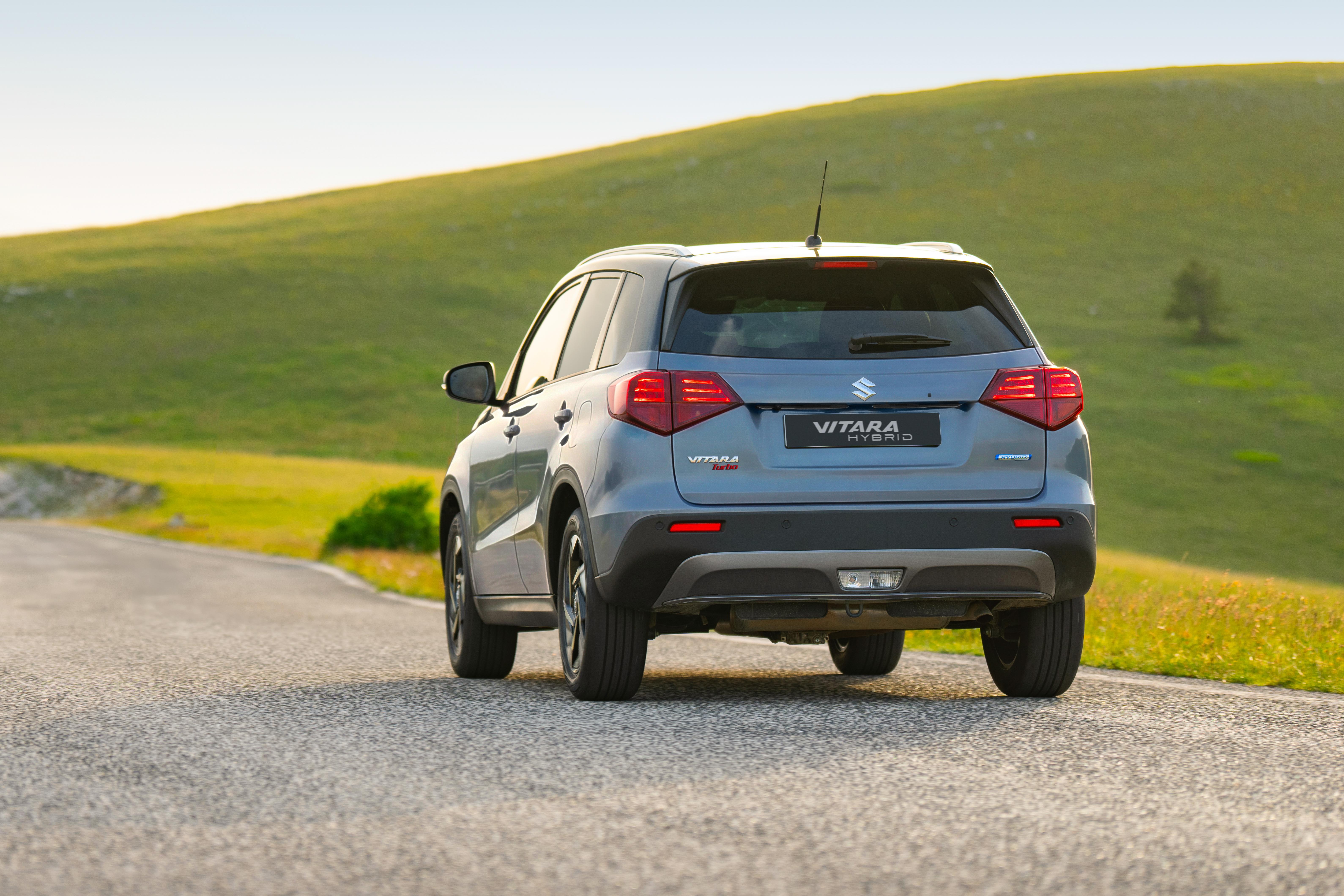
At times it felt like I needed to work the 1.4-litre ‘Boosterjet’ a little harder than before to get it moving quickly, and overall refinement in general is starting to feel a little off the pace these days.
The light and chuckable nature of the Vitara is accompanied by a boomy and tinny-sounding cabin, particularly on rougher roads. It might have been fine when the base model started from under $30,000, but this upgraded vehicle with minimal changes pretty much starts in the $40,000 realm – so it should be better.
It mostly rides well but can occasionally boom and feel unsettled over pockmarked blacktop and other sorts of imperfections you’ll come across in urban confines. Again, while this may have been about average five or 10 years ago, the game has moved on in 2026.
While it's billed as a ‘Hybrid’, the new Vitara only operates as a mild-hybrid, with no electric-only driving capability like the Kona and Corolla Cross full-hybrids.
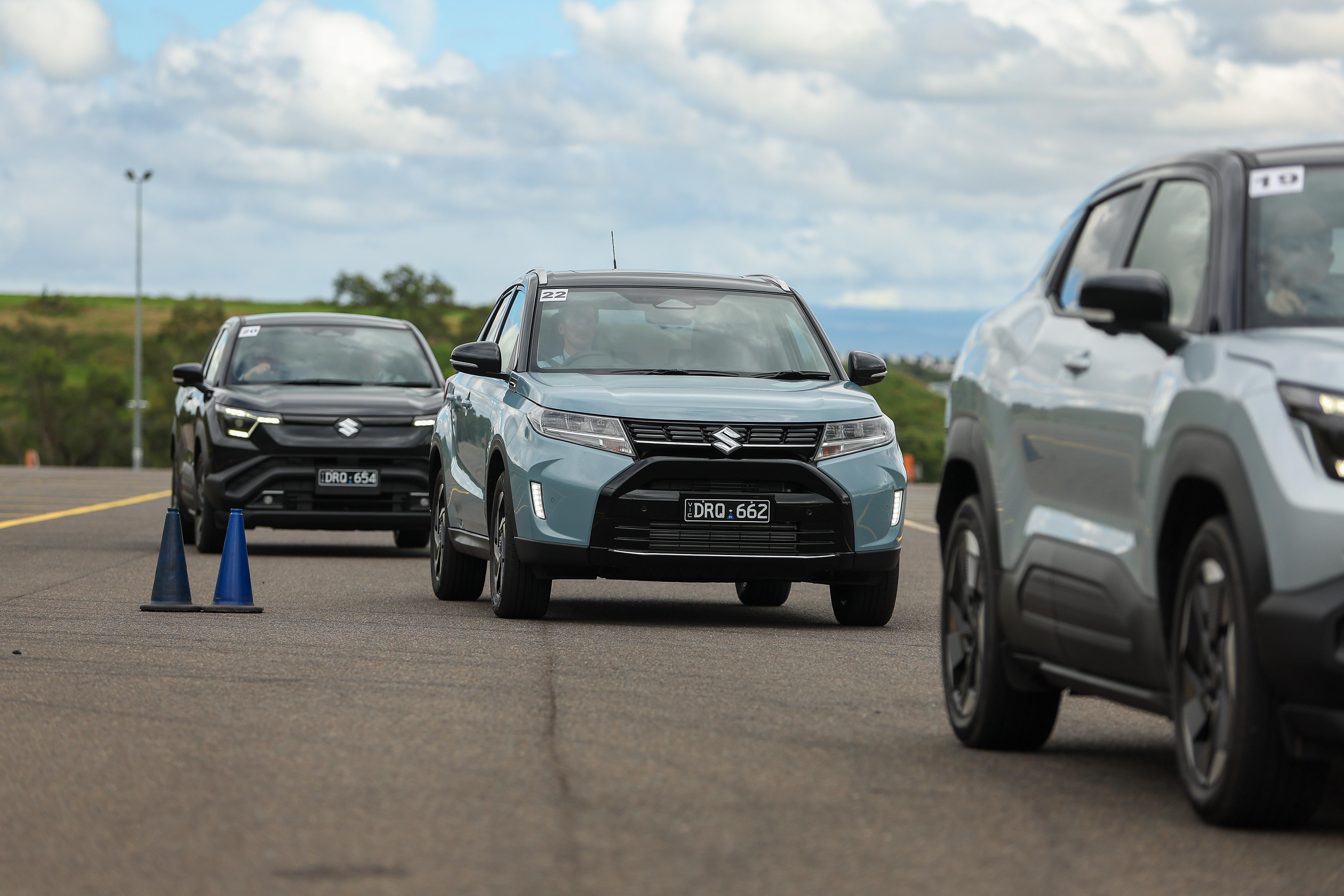
It shuts off the engine as you come to a stop from around 17km/h, and the integrated starter-generator fires it back up quickly and smoothly without the hesitation and shuddering of non-MHEV idle-stop systems.
That said, despite being a more sophisticated 48V system than the Swift’s 24V setup, the Vitara Hybrid won’t shut off the 1.4L turbo motor when coasting to save more fuel like a great deal of 48V MHEVs do.
This contributes to that 6.0L/100km indicated fuel consumption reading, which is fine for a petrol-only vehicle of this size but not especially frugal for a small SUV billed as a ‘Hybrid’.
Some quick straight-line acceleration testing revealed the Vitara Hybrid is noticeably slower than the new e Vitara AllGrip, but it builds speed confidently and predictably without feeling over- or under-powered.
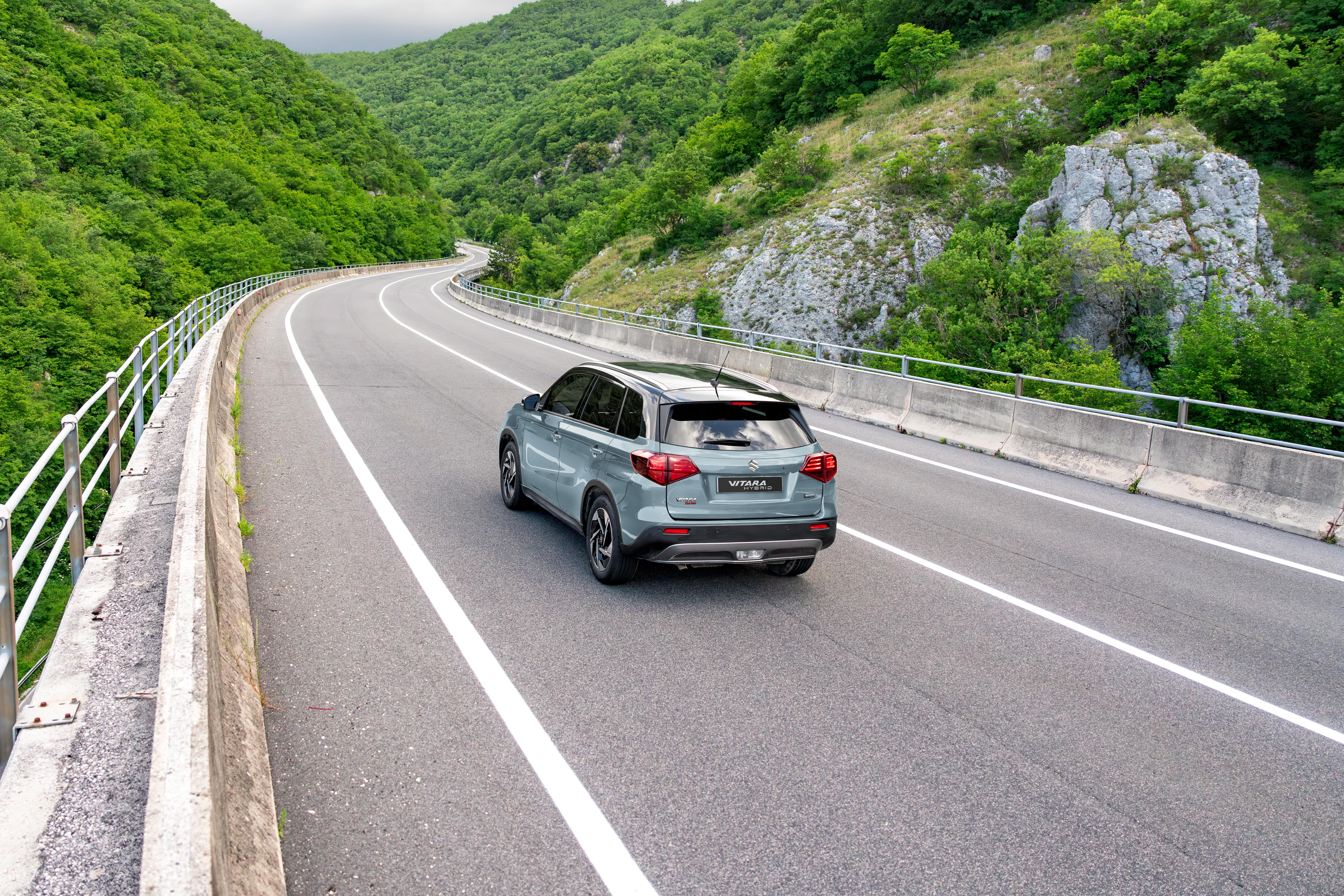
The slalom exercise also reiterated the Vitara’s no-frills fun and keen dynamics, with a chuckable feel that allows acceptable levels of body lean and the ability to throw it around without feeling like it has to be coerced.
But if all the powertrain wizardry and over-assisted feel of newer cars is a bit much for you, this could be endearing.
It’s a similar story on the driver assistance front, with adaptive cruise control and lane keeping features which aren’t overzealous, nor do they persist with beeping and bonging at you.
The Vitara Hybrid has been enhanced with a lane centring function too, meaning you’ve got semi-autonomous levels of driving assistance on hand when you’re doing longer stints on the freeway – something the old car just couldn’t do.
Traffic sign recognition, blind-spot monitoring and rear cross-traffic alert are also now standard across the range, as is a reversing camera. But you still can’t get a surround camera system like you can in rival cars.
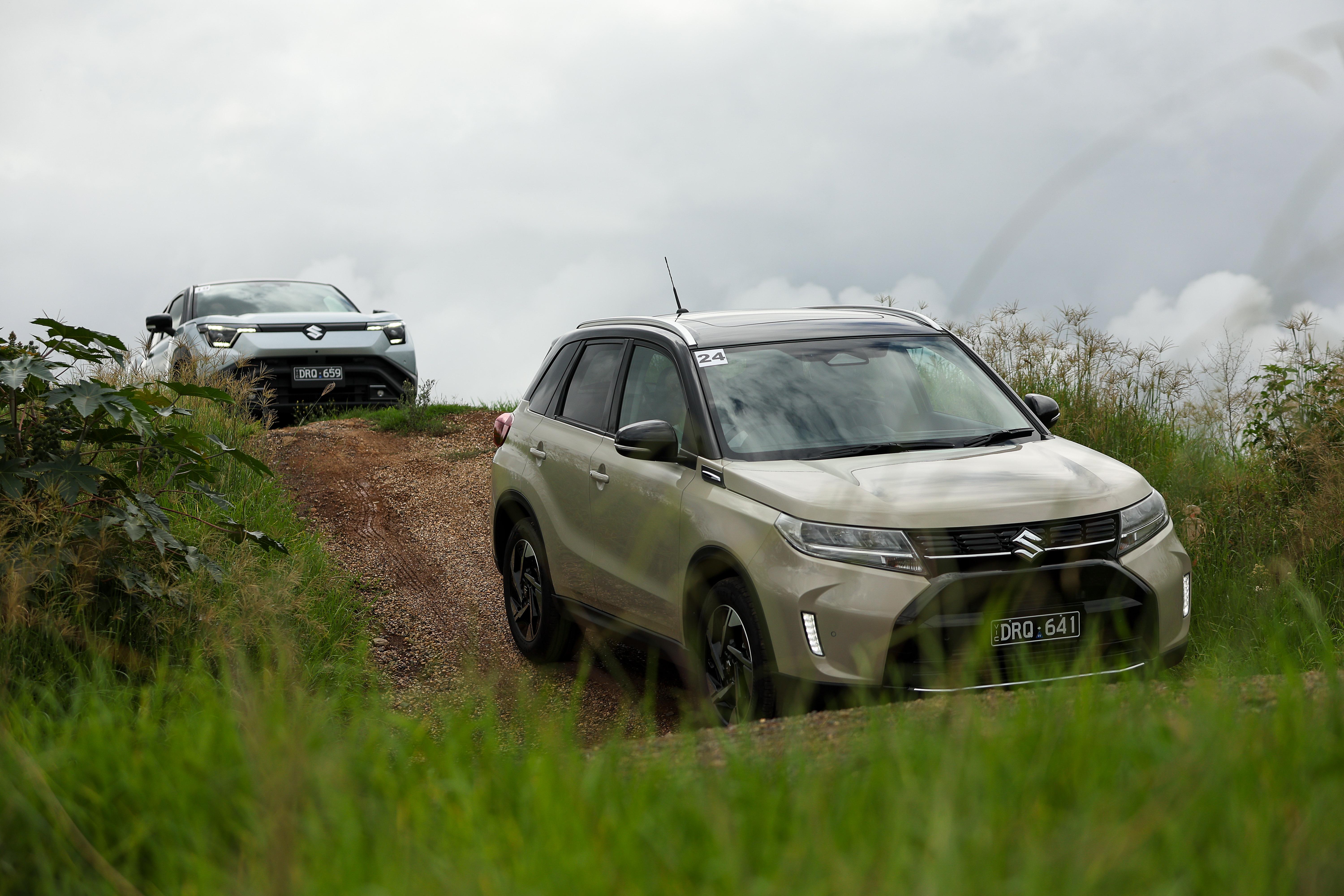
The AllGrip does pick up front and rear parking sensors though, and the tall glasshouse and big-ish mirrors mean outward visibility is mostly fine – save for the thick D-pillars.
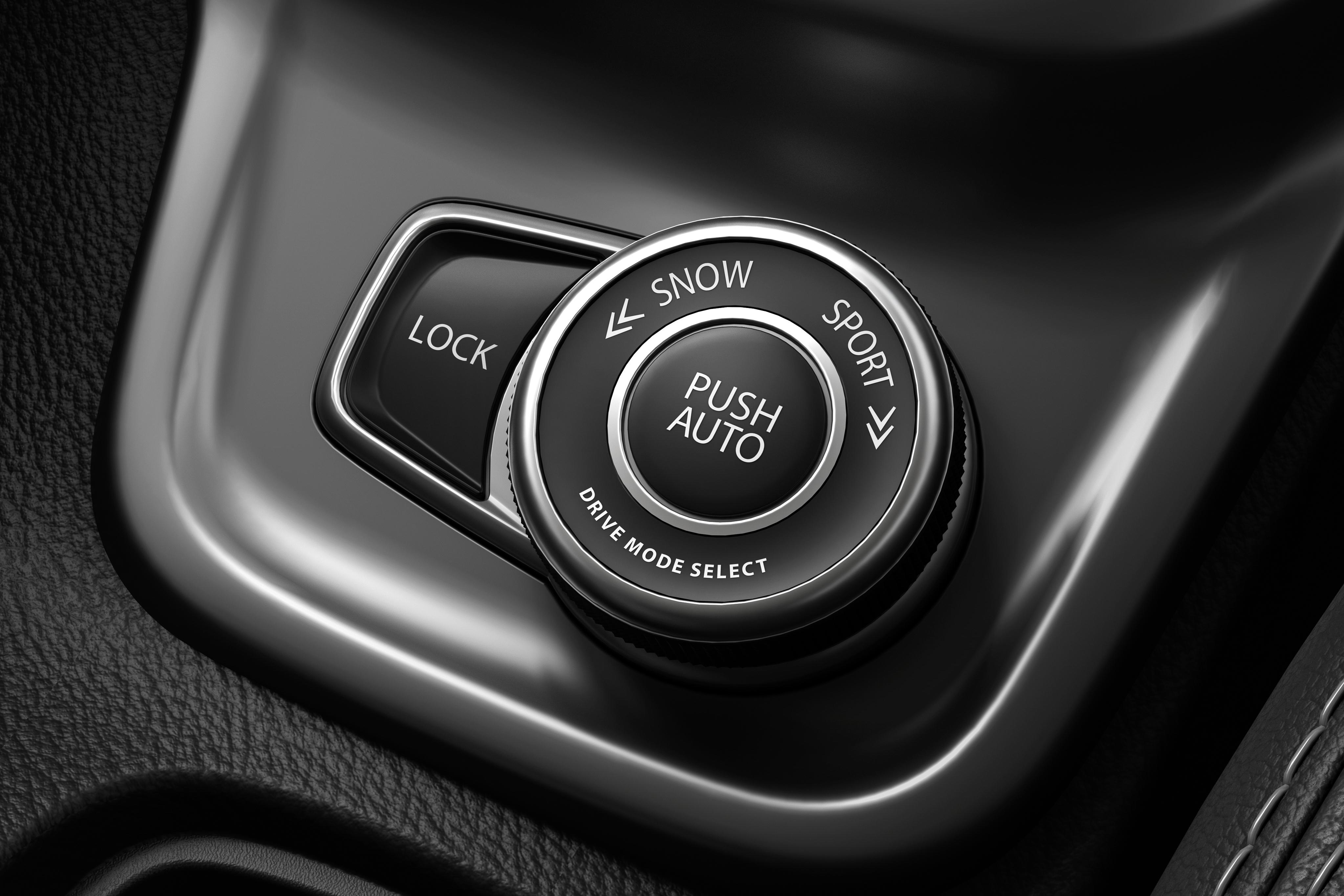
We also did some very mild off-roading with the Vitara’s AWD system set to ‘LOCK’ mode to keep sending drive to the rear wheels, and over some dirt trails and mild moguls the Vitara Hybrid didn’t break a sweat.
Suzuki touts a level of off-roadability has been maintained in the current Vitara when compared to its more rugged ancestors, but with just 175mm of ground clearance this vehicle will be best suited to a light-duty gravel road or camping trail, if that.
To see how the Suzuki Vitara lines up against the competition, check out our comparison tool
What do you get?
Two trim levels are available at launch, similar to the outgoing model.
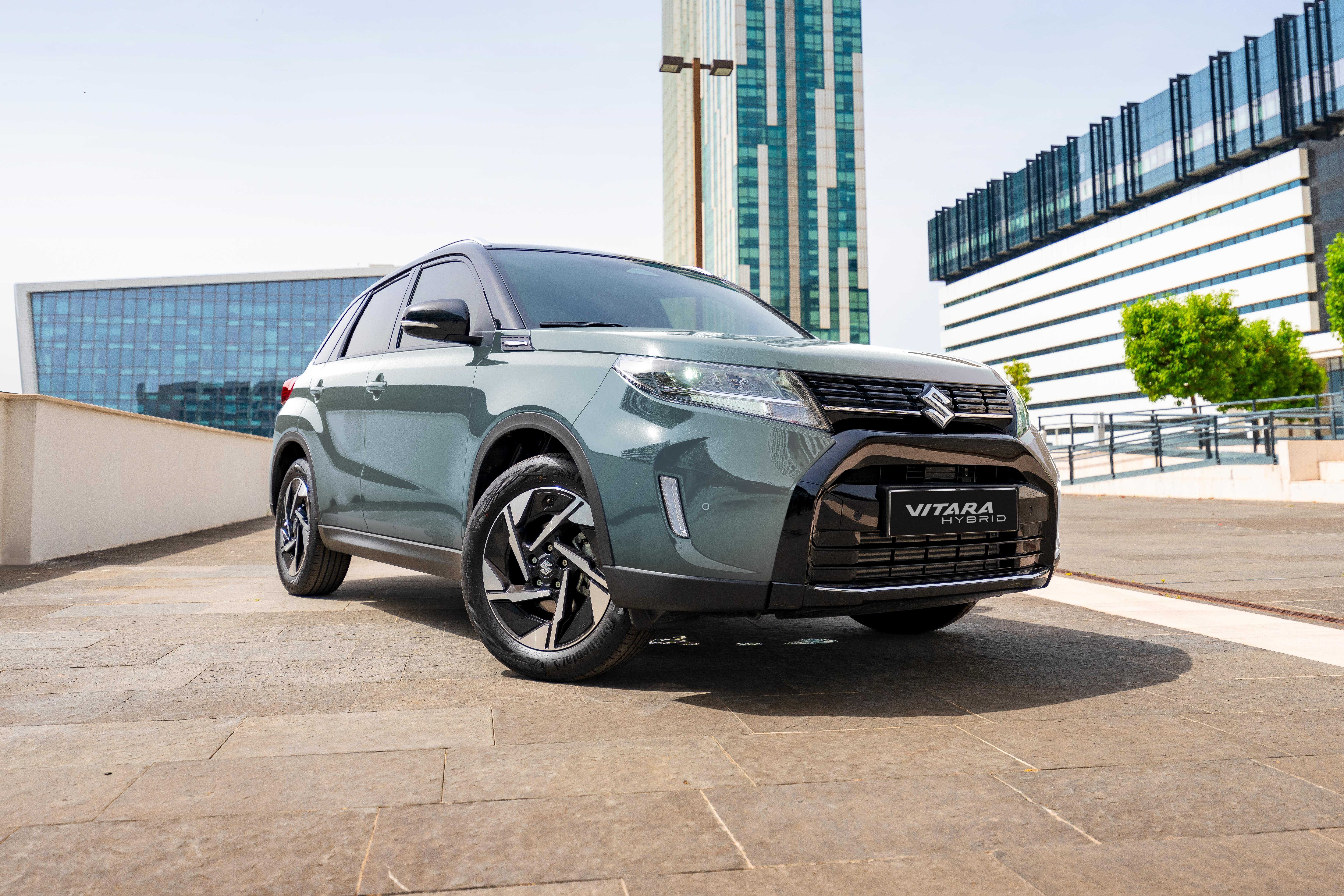
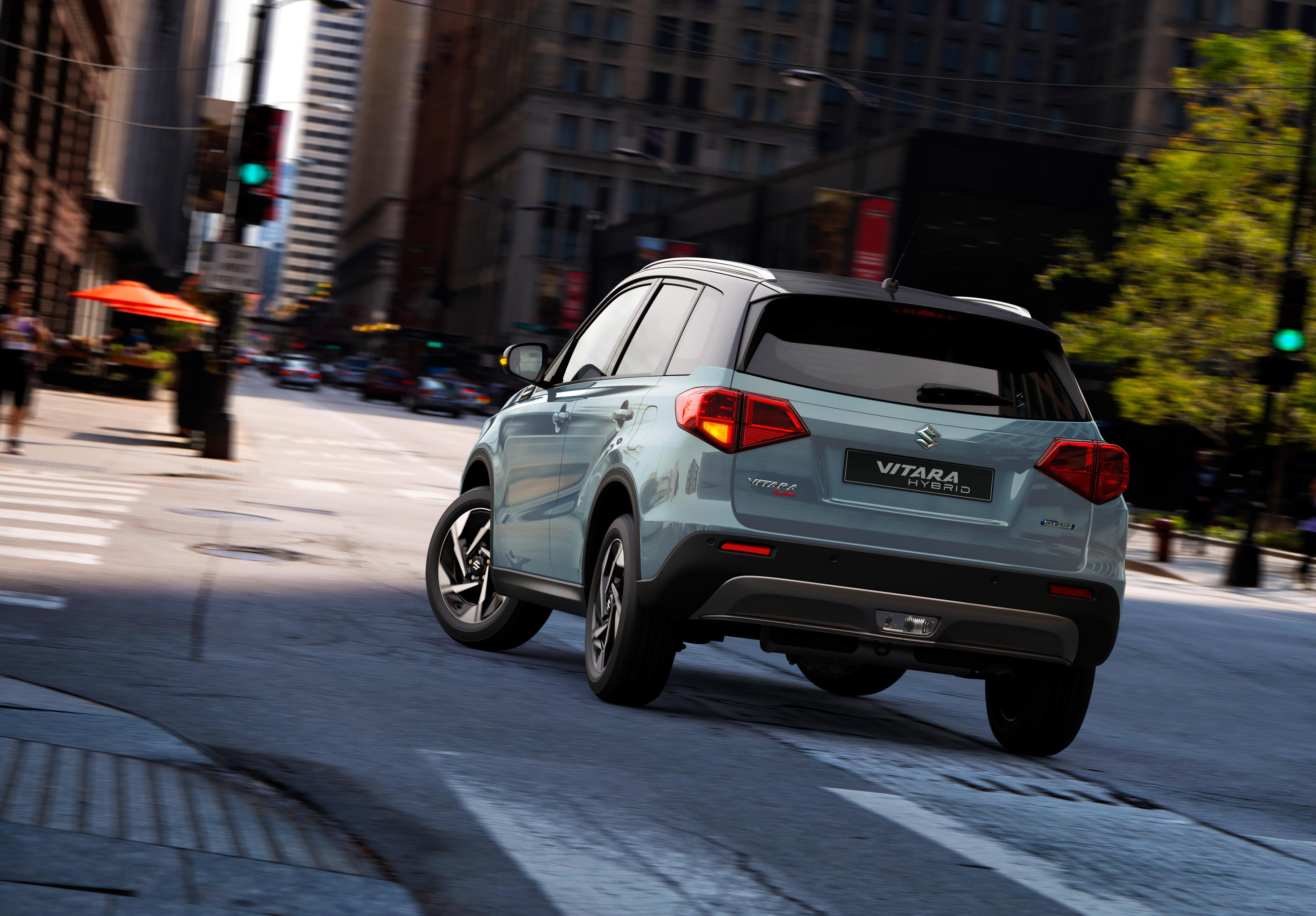
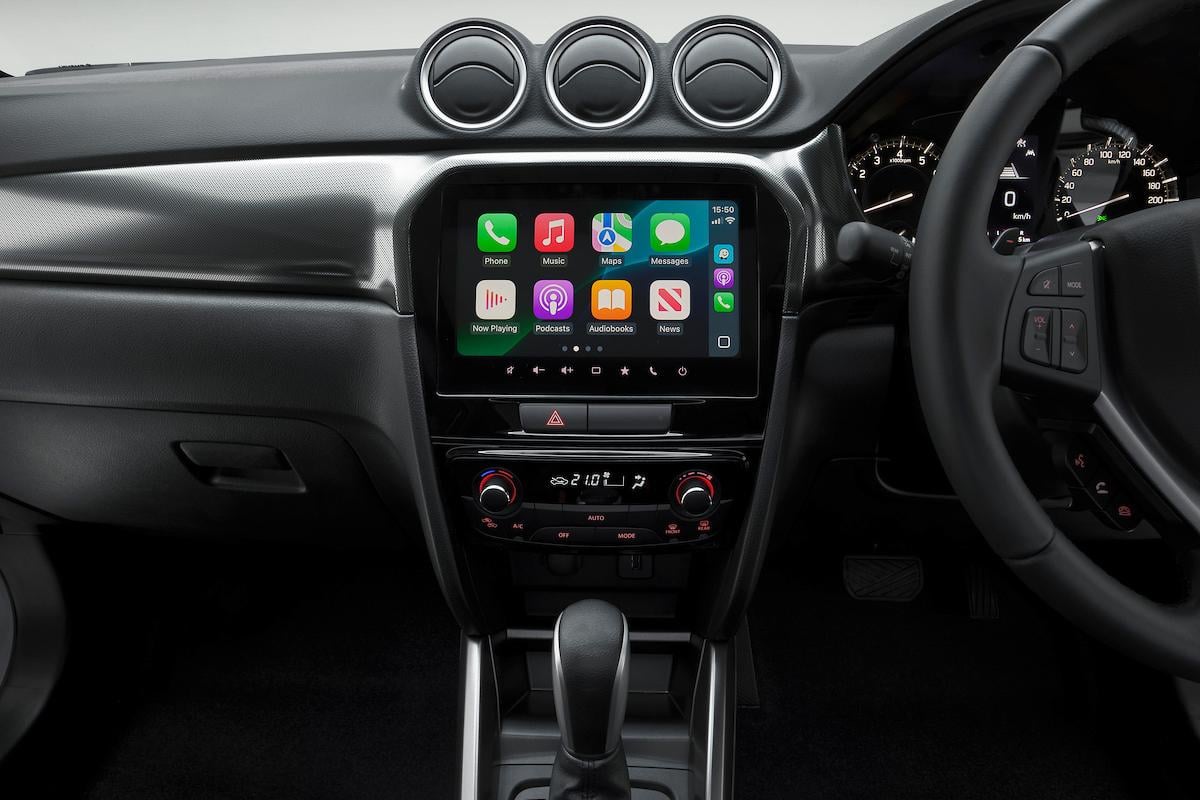
2026 Suzuki Vitara Turbo Hybrid equipment highlights:
- 17-inch alloy wheels in 215/55 R17 tyres
- Space-saver spare
- Automatic LED headlights
- Automatic high-beam
- 7.0-inch touchscreen infotainment system
- Apple CarPlay and Android Auto
- Fabric upholstery
- Leather-wrapped steering wheel
- Tilt and telescopic steering wheel adjustment
- Paddle shifters
- Air-conditioning
- 4-speaker sound system
- Auto-dimming internal rear-view mirror
The Vitara Turbo Hybrid AllGrip adds:
- 17-inch polished alloy wheels
- Panoramic sunroof
- ‘Premium design elements’
- Rear privacy glass
- Power-folding exterior mirrors
- 6-speaker sound system
- 9.0-inch touchscreen infotainment system
- Satellite navigation
- Selectable drive modes
- Leatherette upholstery
To see how the Suzuki Vitara lines up against the competition, check out our comparison tool
Is the Suzuki Vitara safe?
The Suzuki Vitara no longer has a valid ANCAP safety rating, as its previous five-star rating from 2015 has now expired.
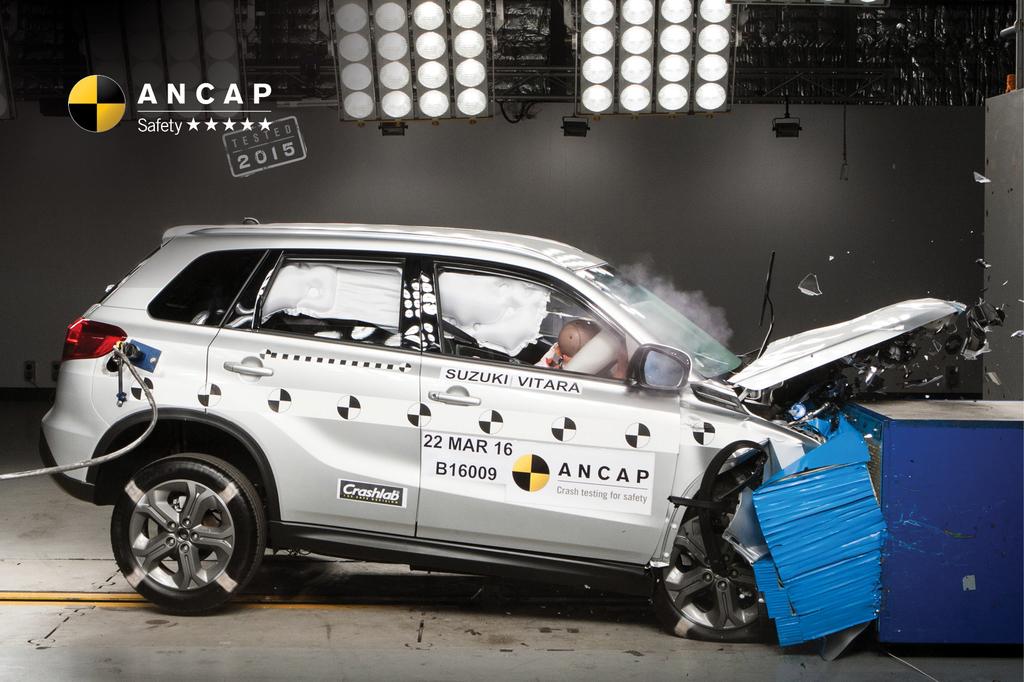
Standard safety equipment includes:
- 6 airbags
- Adaptive cruise control
- Autonomous emergency braking
- Blind-spot monitoring
- Lane-keep assist
- Rear cross-traffic alert
- Reversing camera
- Traffic sign recognition
The Vitara Turbo Allgrip AWD adds:
- Front and rear parking sensors
To see how the Suzuki Vitara lines up against the competition, check out our comparison tool
How much does the Suzuki Vitara cost to run?
As before, the Suzuki Vitara Hybrid is covered by a five-year, unlimited-kilometre warranty with five years of complimentary roadside assistance.
| Servicing and Warranty | Suzuki Vitara Hybrid |
|---|---|
| Warranty | 5 years, unlimited kilometres |
| Roadside assistance | 5 years |
| Service intervals | 12 months or 10,000 kilometres |
Suzuki Australia very carefully describes its servicing program as a ‘Genuine Service Program’ rather than a ‘capped-price’ service offering, but pricing for the first five workshop visits is detailed below.
| Service interval | Pricing |
|---|---|
| 12 months/10,000km | $329 |
| 24 months/20,000km | $429 |
| 36 months/30,000km | $339 |
| 48 months/40,000km | $539 |
| 60 months/50,000km | $349 |
To see how the Suzuki Vitara lines up against the competition, check out our comparison tool
CarExpert’s Take on the Suzuki Vitara
‘Old faithful’ may not come up clutch here, as the mild updates to the Suzuki Vitara are about as mild as its ‘Hybrid’ drivetrain.
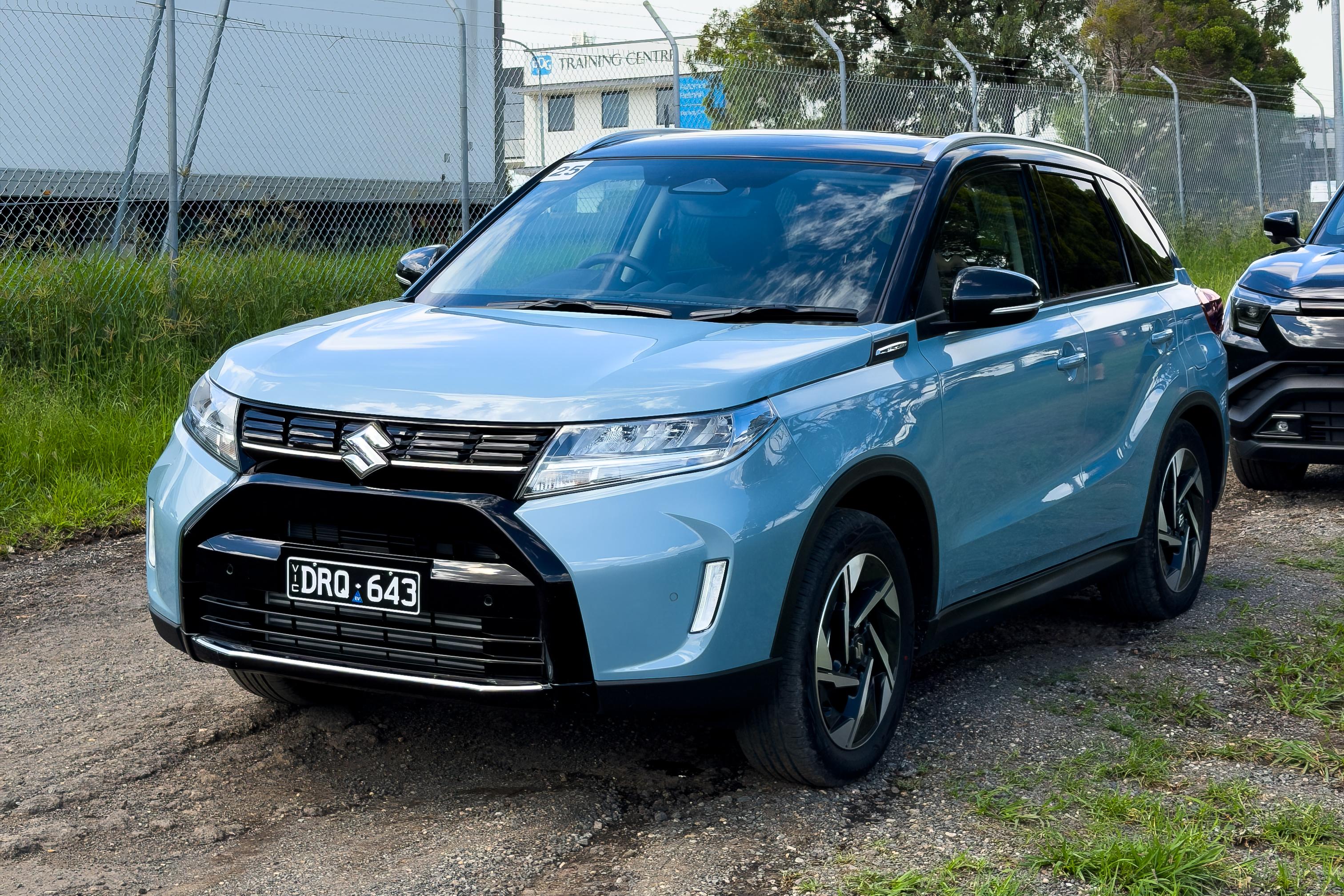
Hallmark traits remain – pleasing lightweight dynamics, traditional and simple ergonomics, and a cutesy-boxy aesthetic that offers more space than its compact 4175x1775mm footprint might suggest.
But what was once a cheap and cheerful proposition from the Japanese small-car brand has become a relatively pricey, dated, and only moderately jolly contender in 2026, with nothing other than its featherweight specs standing out.
Neither its features, drivetrain, technology nor on-road manners are class-leading by any stretch, and the (mild) ‘Hybrid’ drivetrain can’t muster the sort of efficiency gain that’s expected of a vehicle wearing such branding.
We understand its European origins don’t help its price positioning, but the Vitara Hybrid would be a much better car if both grades were priced about $5000 lower. That way you could make concessions for its numerous shortcomings with a price advantage compared to rivals from other legacy automakers.
But as it stands, the Vitara Hybrid will only really appeal to brand loyalists, and perhaps ‘traditionalist’ buyers that don’t like the design, ergonomics or technologies offered by newer small SUVs.
CarExpert can save you thousands on a new Suzuki Vitara. Click here to get a great deal.
Click the images for the full gallery
MORE: Explore the Suzuki Vitara showroom
Leave a Comment