Australian Government weighs EV road user charge this year amid fuel excise criticism
The federal government is working on an electric vehicle (EV) road user charge, which is reportedly set to be put forward as part of a broader tax reform package alongside the federal budget in May.
The Australian reports a unit of Treasury staff has been working on how to implement such a charge, which could be enforced by the states and territories. This could see road use either tracked by in-car GPS, or by an annual odometer reading.
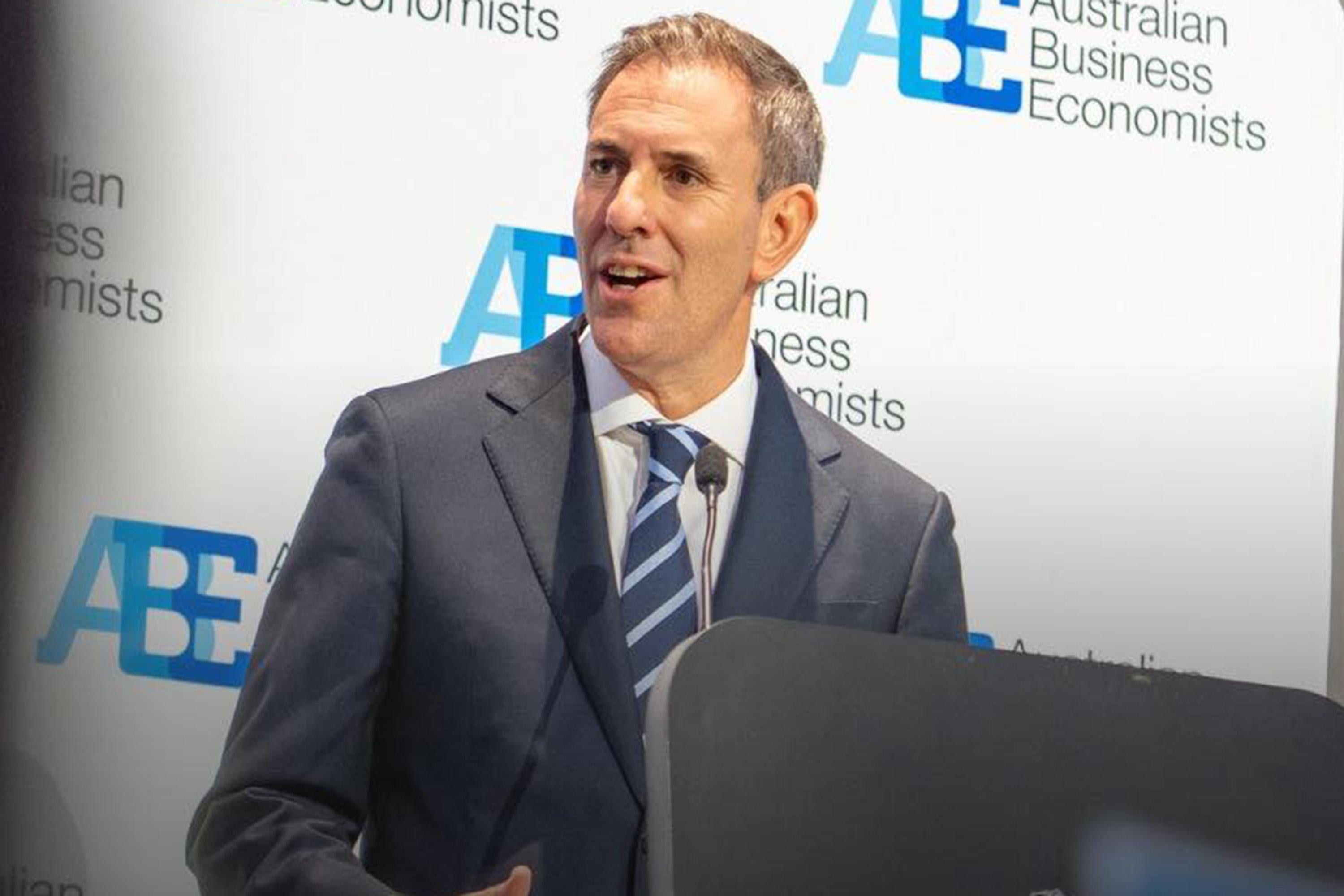
As previously reported last year, Treasurer Jim Chalmers confirmed the government was “accelerating work” on a national EV road user charge.
With a planned introduction around 2028, the EV road user charge has been proposed as a way to offset the loss of fuel excise revenue as EV adoption increases.
CarExpert can save you thousands on a new car. Click here to get a great deal.
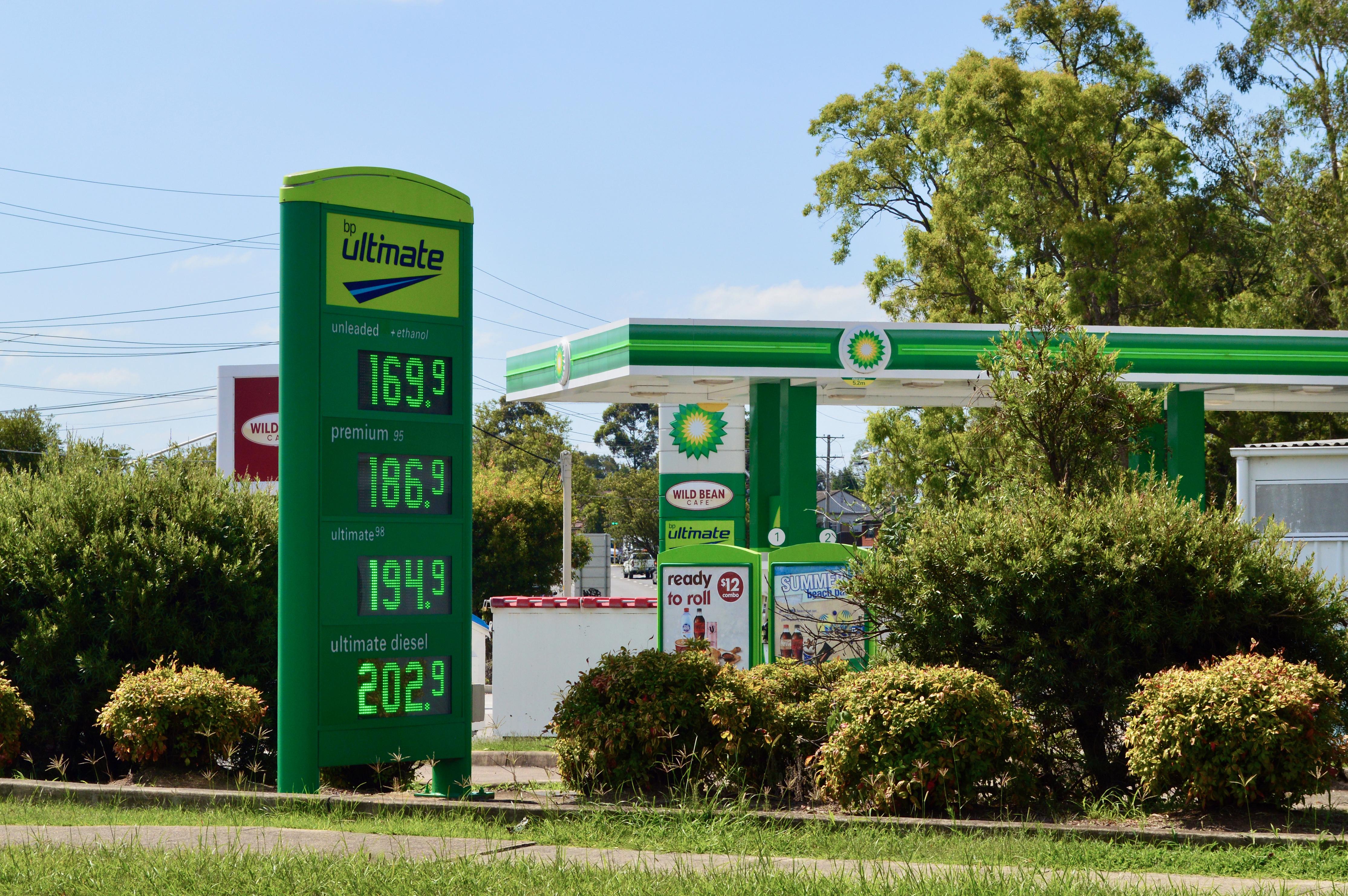
The fuel excise is a flat sales tax imposed by the Australian Government on petrol and diesel bought at the bowser.
It’s adjusted twice annually in line with the Consumer Price Index (CPI), and increased from 51.6 cents to 52.6 cents per litre on February 2, 2026.
The excise is set to deliver the federal government around $7.3 billion from petrol-powered vehicles, with the excise on diesel contributing $17.6 billion. However, while fuel excise revenue was previously earmarked for road funding, it now goes directly into the federal government’s consolidated revenue.
Despite recent spikes in petrol and diesel prices, the excise remains a fixed per-litre charge.
Mr Chalmers has ruled out reducing fuel excise to ease pressure at the pump, while work on an EV road user charge continues.
The Australian previously reported the Treasurer was due to attend a forum on the topic in Sydney last August, hosted by Infrastructure Partnerships Australia (IPA).
IPA chief executive Adrian Dwyer has proposed a distance-based charging model for EV owners nationwide, following the High Court of Australia’s 2023 ruling that struck down state-based road user charges.
In a statement last September, Mr Chalmers said: “The reforms to the treatment of electric vehicles will ensure more equitable treatment across vehicle types and provide certainty to support investment.
“The design of reforms should be as simple as possible and minimise administration and compliance burden.
“We will ensure any changes are phased to enable the productivity, climate and consumer benefits of increasing electric vehicle uptake over the coming years.”
The potential introduction of a road user charge alongside existing fuel excise has drawn criticism, with some pointing to New Zealand’s broader approach.
In August 2025, the New Zealand government announced plans to remove fuel excise and instead apply a road user charge (RUC) based on distance travelled and vehicle weight across all vehicle types by 2027.
Petrol-powered vehicles will join diesel, electric and plug-in hybrid vehicles which have been subject to the RUC since 2024.
Several Australian states have also explored EV road user charges, with Victoria the first to implement such a system in 2021.
However, the High Court of Australia ruled the scheme unconstitutional in 2023, forcing the state to abandon the policy and refund revenue collected under it.
The Victorian system charged EV and plug-in hybrid drivers 2.8 cents per kilometre travelled.
The New South Wales government had also planned to introduce a similar charge from 2027, or once EV market share reached 30 per cent, but the High Court ruling has shifted focus to a national approach.
Similar proposals in South Australia and Western Australia have also been put on hold pending federal direction.
The Australian Electric Vehicle Association (AEVA) has called for any future road user charge to apply across all vehicle types, advocating for a weight-based system.
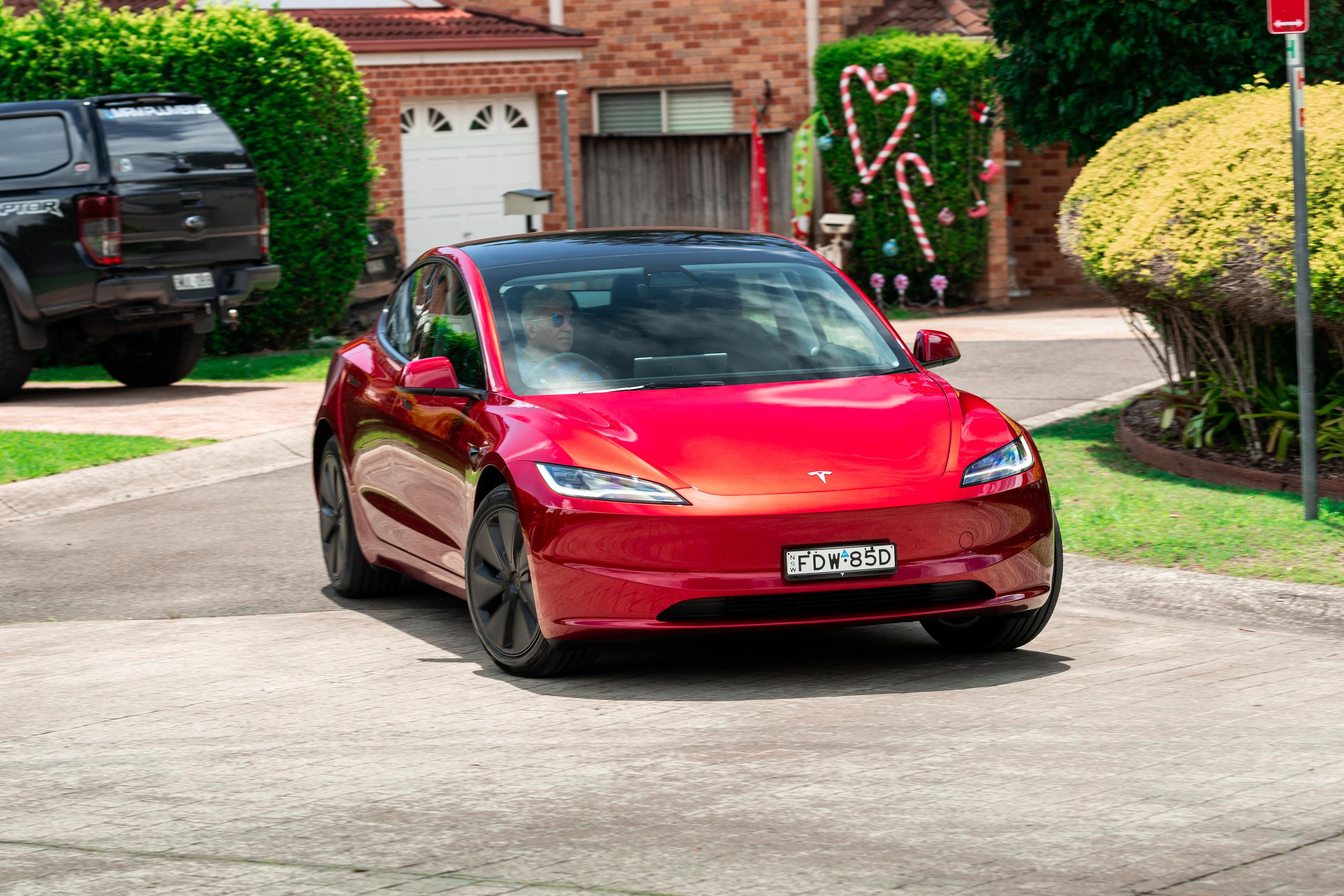
“A universal, mass by distance road user charge should eventually replace fuel excise as the user-pays component of roads and their maintenance,” said AEVA national president Dr Chris Jones in a statement.
“The commencement of the NVES [National Vehicle Efficiency Standard] and projections that more than 30 per cent of new vehicle sales will be EVs by 2030 mean it is vital that the Government looks to establish an effective and equitable national road user charging system.”
In 2025, a record 103,270 EVs were sold in Australia, led by the Tesla Model Y, BYD Sealion 7 and Tesla Model 3, with EVs accounting for 8.3 per cent of total vehicle sales.
MORE:Australian Government won’t cut fuel excise despite soaring prices
Leave a Comment