
Safety tech not making new cars too expensive, says Euro NCAP
Safety technology isn’t driving up the showroom price of new cars, according to Euro NCAP (European New Car Assessment Programme), yet some auto brands choose not to pursue maximum five-star safety ratings.
“The fact that something adds safety does not necessarily mean that the marketing department will decide to put it on the car. That’s naïve to think that it works like this,” said Euro NCAP secretary general Dr Michiel van Ratingen at a media event in Europe attended by CarExpert.
At the same event, Euro NCAP technical director Richard Schram said that while he doesn’t see prices rising due to mandated safety tech, some brands are deliberately targeting fewer than five stars to keep costs down.
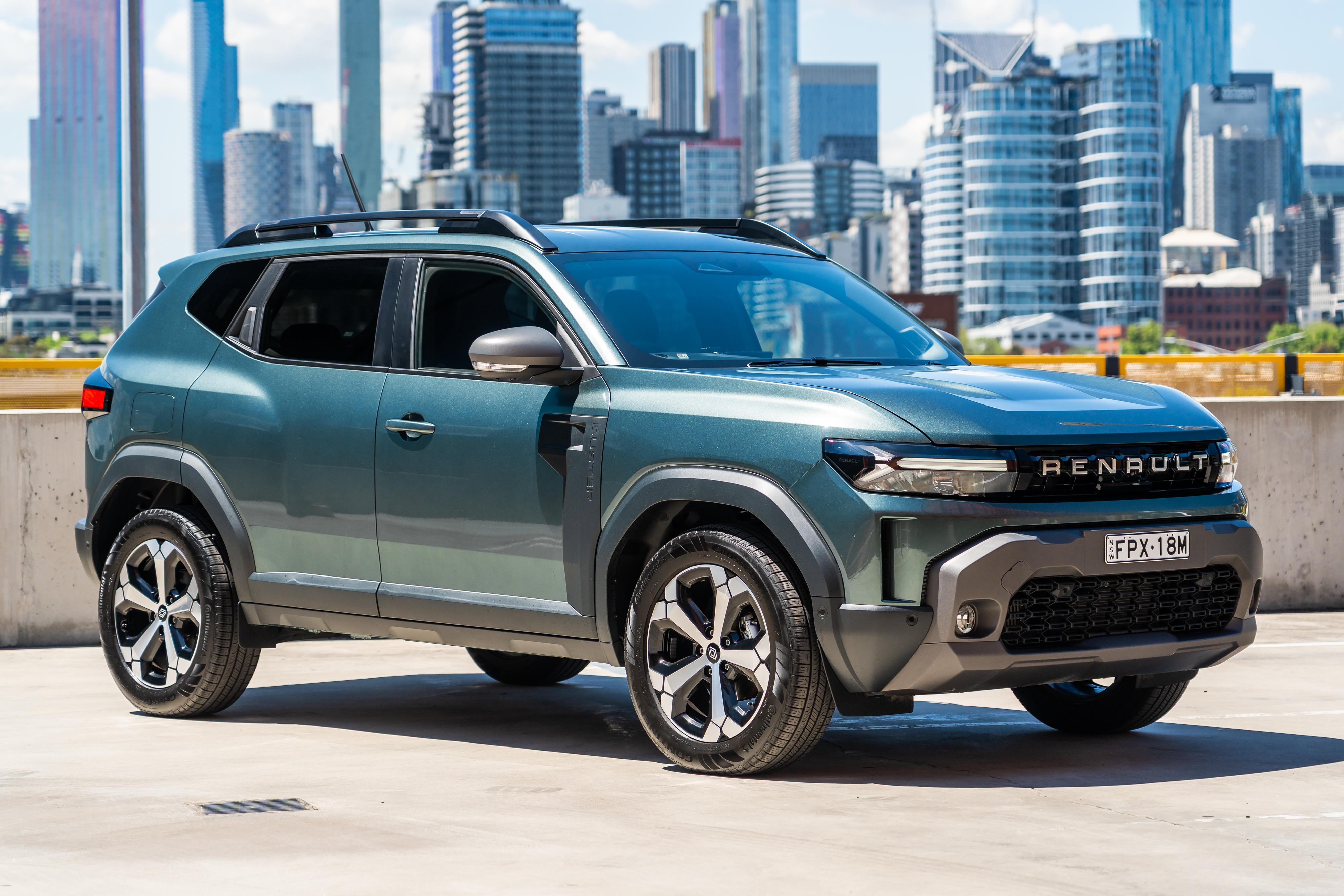
“For the European market, what we see is the Dacia brand, which clearly doesn’t aim for five stars – they want to be at the budget end [of pricing], but they will aim for three [stars],” Mr Schram said.
CarExpert can save you thousands on a new car. Click here to get a great deal.
“And I would say even a one-star car, if you aim for it, that’s your desire – if you give up and do nothing it’s a bit strange: we don’t see any manufacturer doing this.”
The first Dacia model launched in Australia, the Duster small SUV, was introduced here last year as the Renault Duster and has a three-star Australasian New Car Assessment Program (ANCAP) rating.
“So, Dacia would really go for three stars and what you will see there is it’s significantly better than regulation. But they have made some clear choices: ‘I’m not going to put this system in because it’s really expensive’,” said Mr Schram.
Brands such as Suzuki, also known for affordable small cars and SUVs, are similarly not achieving five-star ratings – although ANCAP boss Carla Hoorweg has said budget brands should still be able to meet top safety benchmarks without significantly increasing prices.
Dr van Ratingen said a car with a safety rating below five stars can still be a worthwhile purchase, offering safety levels above regulatory requirements.
“It is our five levels of safety in my view,” he said. “Does that mean that four stars is unsafe? No – it’s safe, but not as safe as five stars. But it’s safe. So is three, by the way. That’s how I kind of look at things, otherwise five stars wouldn’t make sense.”
The Euro NCAP secretary general said the organisation would not follow the method used by the Insurance Institute for Highway Safety (IIHS) in the US.
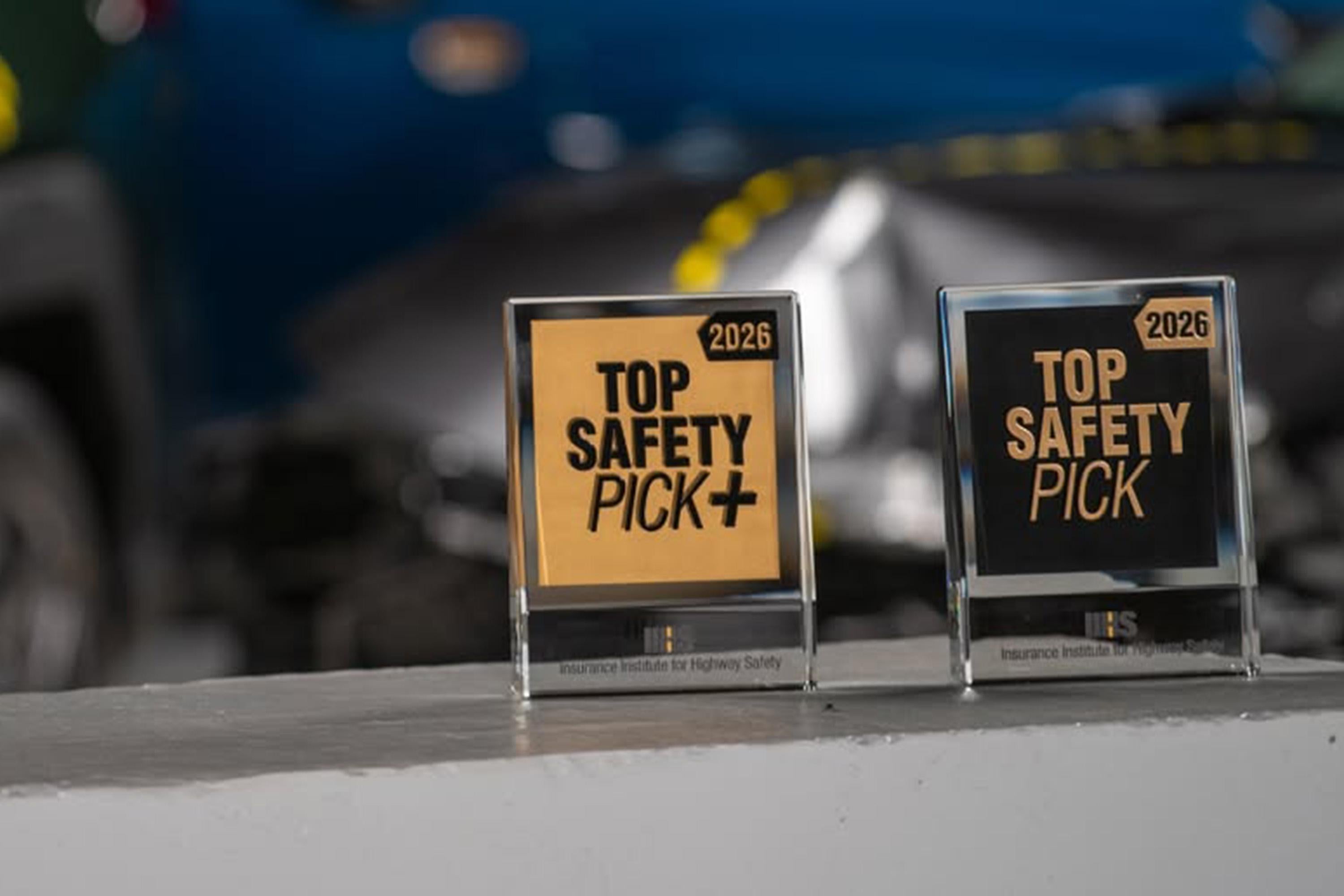
The IIHS uses ‘Top Safety Pick’ and ‘Top Safety Pick+’ rankings instead of a star rating system, which Dr van Ratingen said does not suit Euro NCAP.
“I think we often misunderstand that not everybody is able to buy five-star [cars], but I believe there are five-star vehicles in all segments, so people that are interested to buy the safest car possible, they have the option. They can make that decision.”
Mr Schram said dual rating systems with particular model lines help balance the needs of cost-conscious and safety-focused customers, as well as automakers.
“We tried to counter this slightly as well with what we call the ‘dual rating’; that if you want to have this package – it’s not that they don’t know what to do – it’s a clear choice not to put this in as standard,” he said.
“If you’re a consumer and you want to get a Dacia with five stars, you want this package – which is not standard and therefore it doesn’t achieve a Euro NCAP five-star rating – but it is there and we tested it as well, so if you want to have a five-star Dacia you can.”
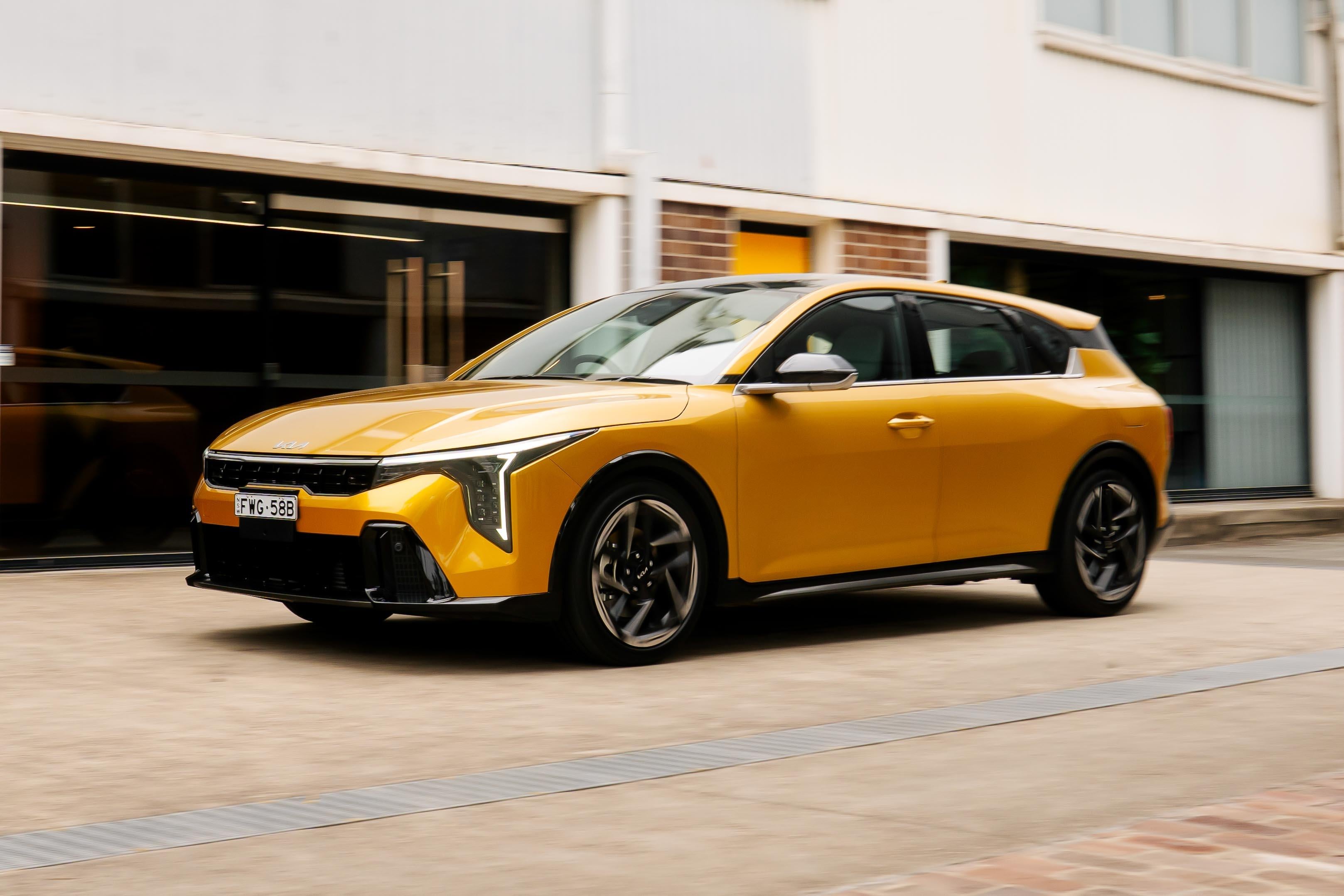
In Australia, the Kia K4 is an example of a vehicle with a dual rating. The entry-level S variant is rated at four stars by ANCAP unless it is optioned with a Safety Pack.
All Australian-delivered K4 models currently include the Safety Pack as standard, which brings upgraded AEB with junction assist (as well as a larger instrument cluster), making them five-star rated.
“I think this is one of the success stories for Euro NCAP,” said Mr Schram. “The high-end vehicle safety systems – we were able to get them into high-volume, lower-level vehicles, basically because large volumes push the [price] down, making all of these advanced safety systems more affordable.” MORE: New ANCAP safety assessment will target annoying tech, EVs and triple-zero calls
Leave a Comment