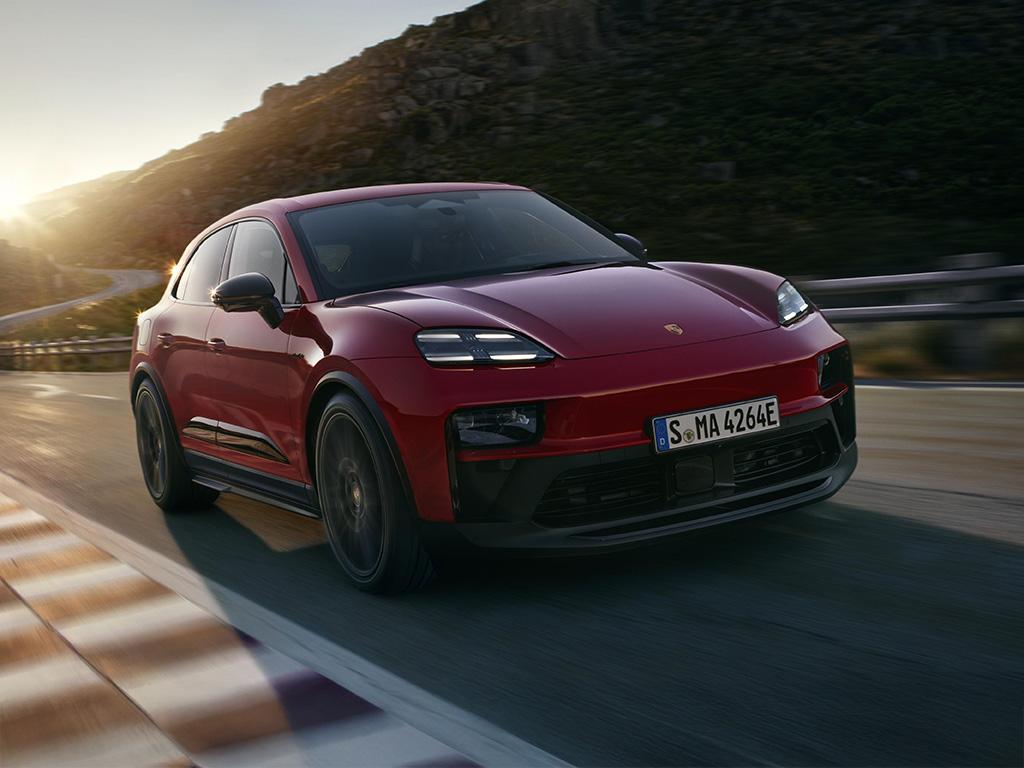
The EVs that are actually a blast to drive
Electric vehicles? Yawn, aren’t they just anathema to enthusiasts, soulless refrigerators on wheels designed to go from A to B?
Well, sure, some of them are – though we can think of plenty of combustion-powered vehicles that are uninspiring, too.
But as the electric vehicle (EV) market continues to grow, we’re seeing more and more established brands enter the fray – heck, even Ferrari is about to launch an EV.
CarExpert can save you thousands on a new car. Click here to get a great deal.
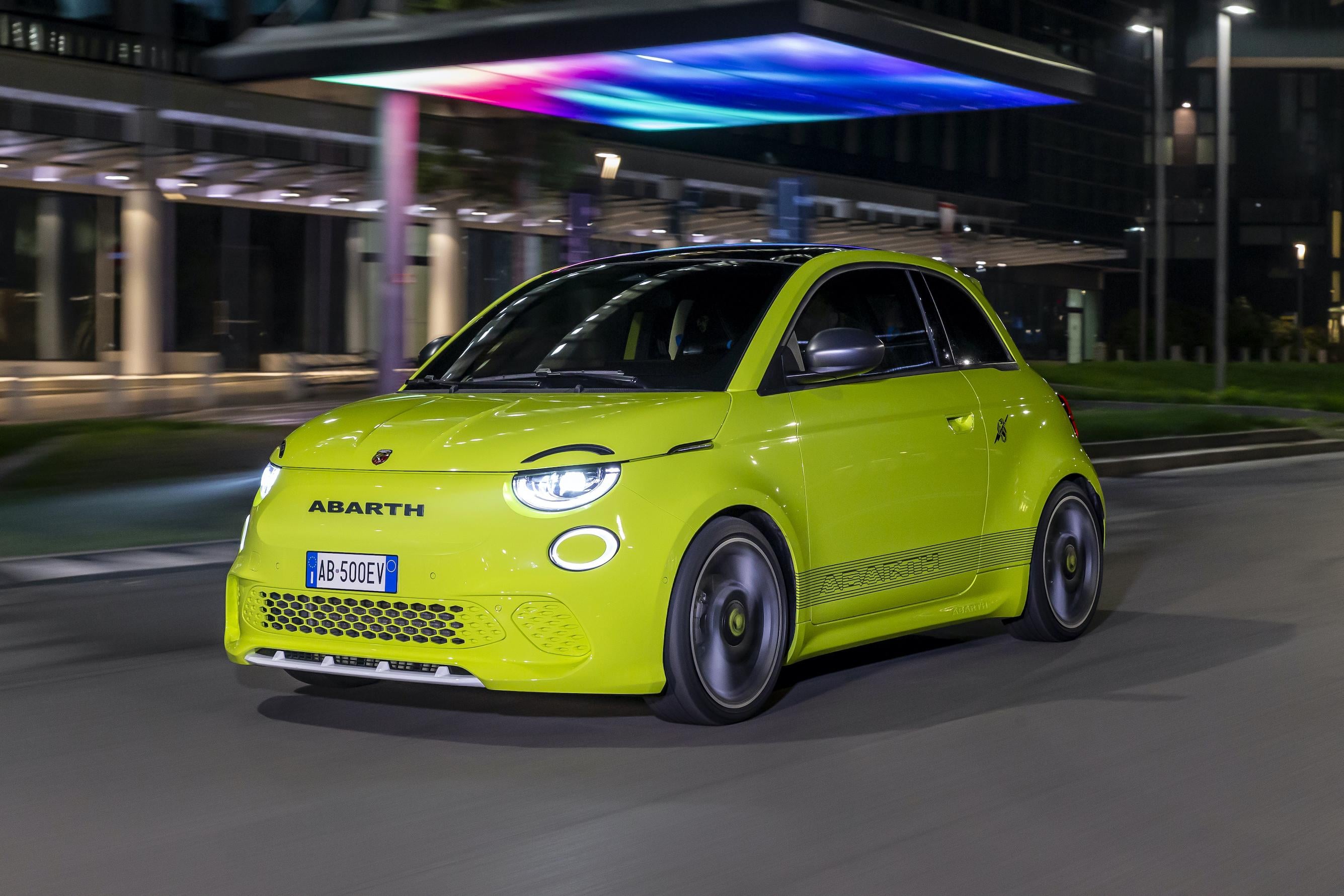
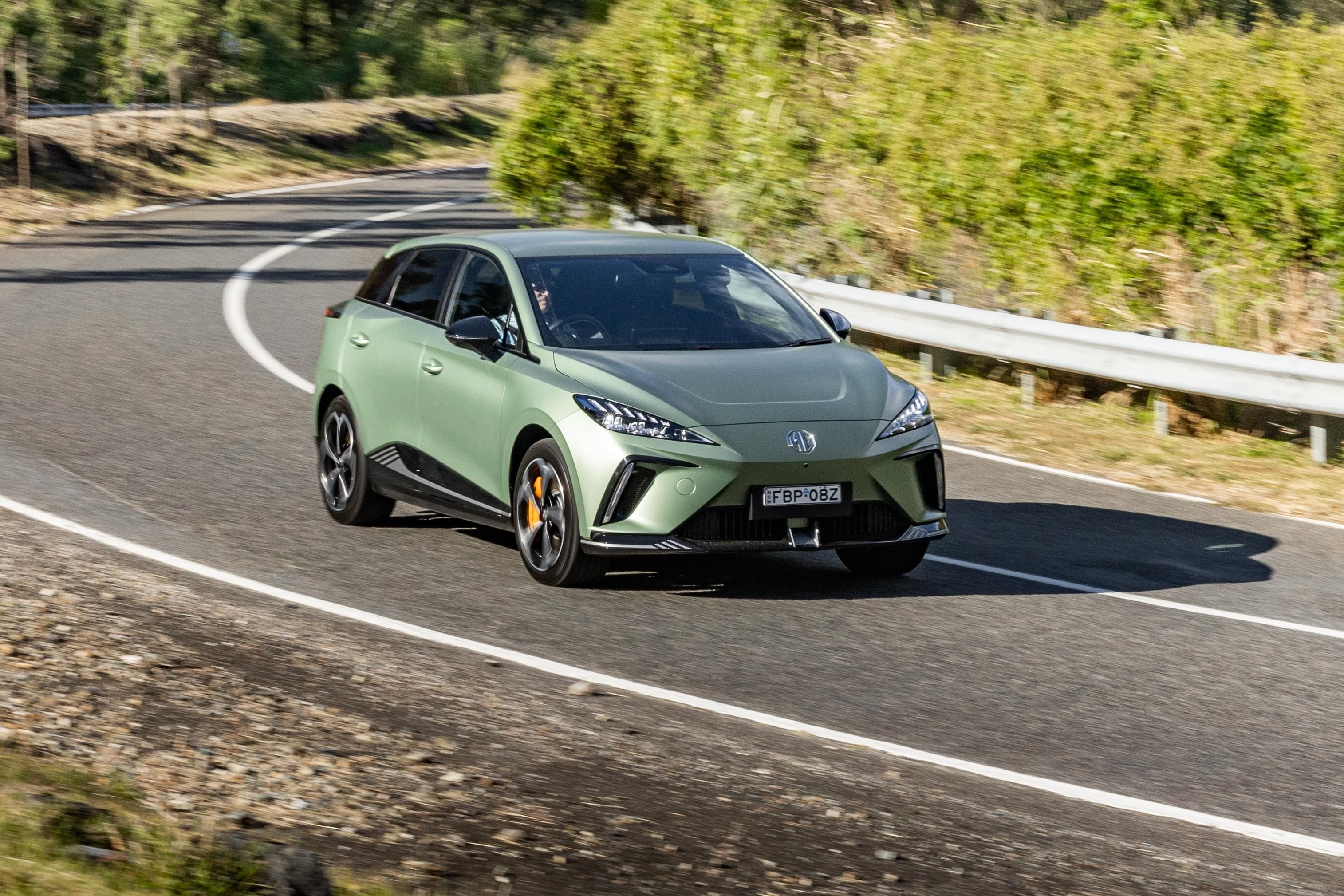
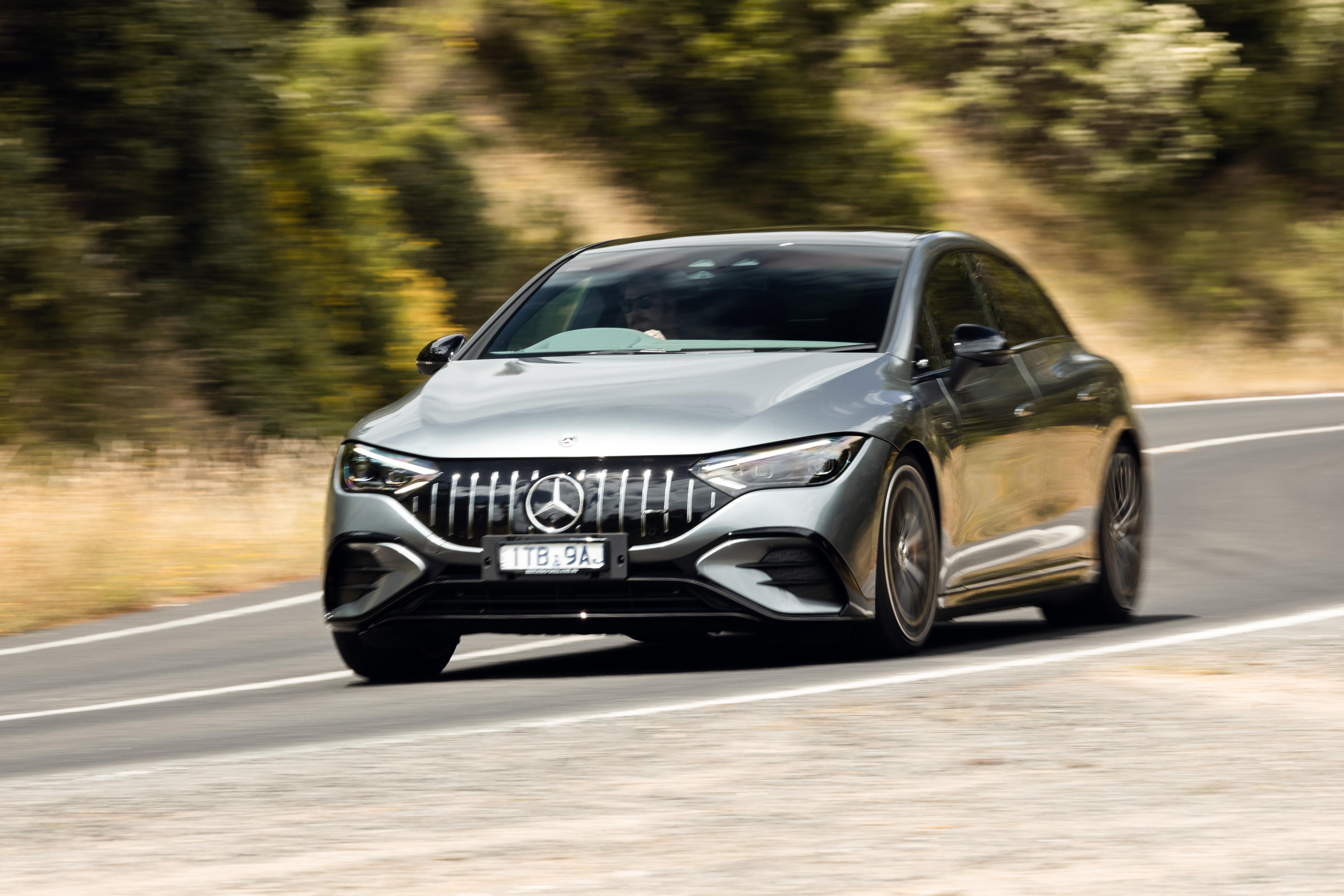
We’re also seeing brands introduce EVs that are engaging to drive, as a means of not only coaxing buyers over from other brands but also giving electric options to loyal owners of their combustion-powered vehicles.
Here are the EVs the members of CarExpert‘s Australia and New Zealand teams find the most fun.
Alborz Fallah, Founder
None
Let’s be brutally honest, the answer to this question is: None.

I have driven many, many high-performance EVs from the Europeans, Chinese and everyone in between. I have gone flat-out in a Taycan Turbo GT around European racetracks, I have driven the Ioniq 5 N on track at 10/10ths and been in some other stupidly fast EVs, and the ones mentioned here are all good to drive, but a blast? Nope.
There is no EV that’s a blast to drive because that requires it to give you an emotional response that is genuine and, as good as the 5 N is in faking it, why would I want a car to fake it when there are cars – for less money – that do it for real?
Give me a base-model Mazda MX-5 with its barely registrable 135kW of power, and I’ll be happier because there is a sweet sense of mechanical joy that comes with driving a real internal combustion-engined vehicle. Call me old-fashioned if you will, but I love EVs for day-to-day commutes. I am absolutely in love with my Genesis GV70 Electric, but I do not want to have fun in an EV.
The majority of cars are eventually going to be electric, and that’s great for commuting – but for the same reason some people still ride horses, let’s not forget that some of us want to have a blast in a car for fun.
So long as petrol is legally (or illegally) available for sale, I will keep my ICE sports cars for those rare moments that it’s not about the commute, but to get the sense of joy that no electron will ever produce.
Marton Pettendy, Managing Editor
Hyundai Ioniq 5 N
You’d expect the Porsche Taycan to feature somewhere in this list because it’s one of the finest performance EVs you can buy today, offering more electric thrills than any other battery-powered car this side of an exotic supercar – but it doesn’t come cheap.
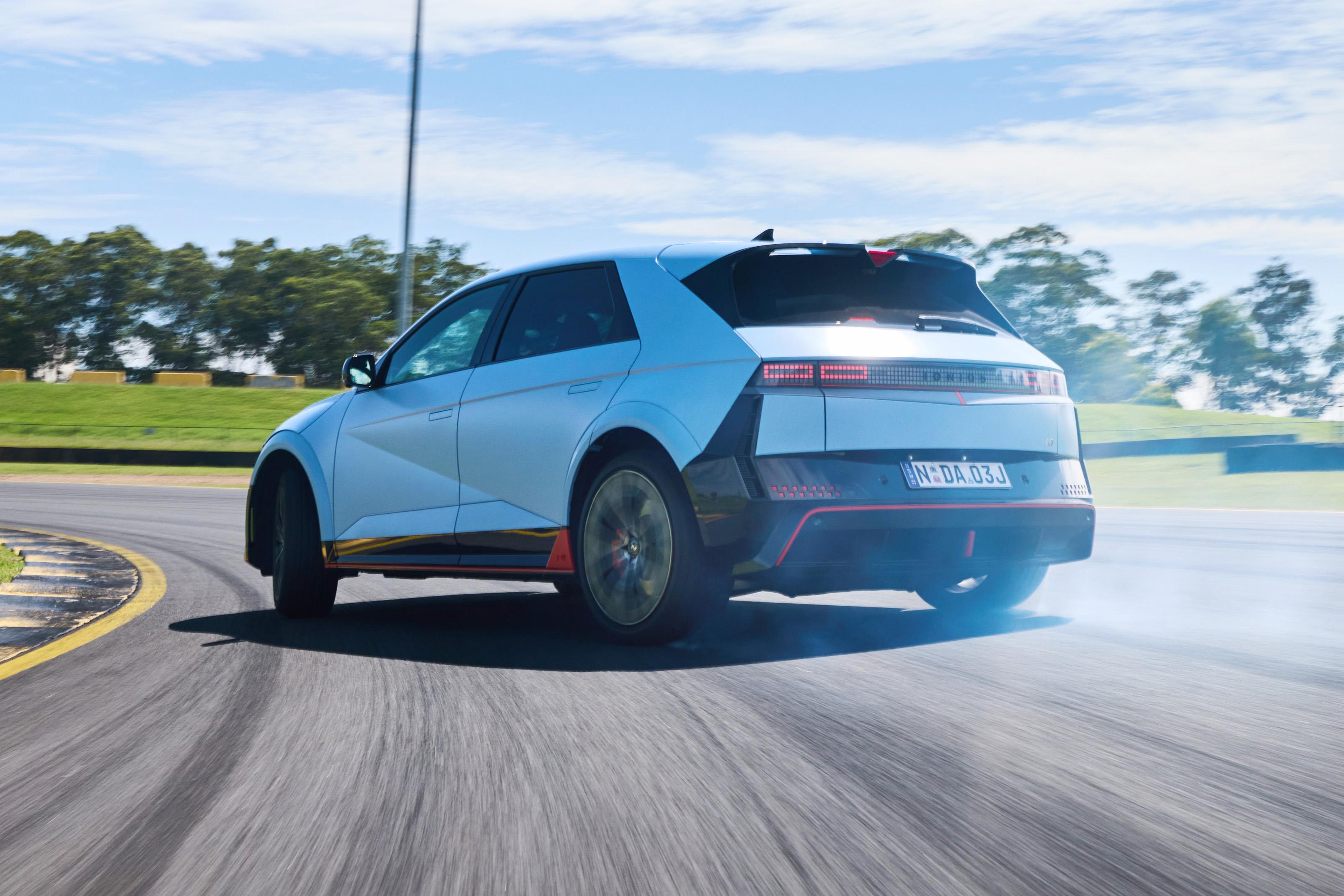
While the Hyundai Ioniq 5 N is an SUV (of sorts) rather than a sports sedan, and it’s still not what you’d call affordable at $115,000 before on-road costs, it can shed all four of its tyres thanks to no less than 448kW of power and 770Nm of torque.
On a racetrack it can be steered on the throttle like only a small handful of high-output rear-drive combustion-powered sports cars, even without fiddling with the multitude of high-tech go-faster driver aids and modes, making it a recipe for mile-wide smiles behind the wheel.
To get comparable performance in a Taycan, you’re looking at about $290k on the road for the GTS – and you still don’t get a seven-year warranty, let alone one that covers non-competitive track work, which is the only way to test the limits of the Ioniq 5 N’s gob-smacking performance envelope.
MORE: Explore the Hyundai Ioniq 5 showroom
Matthew Hansen, Editor (New Zealand)
Ford Mustang Mach-E
Is the Ford Mustang Mach-E a real Mustang? When the platform is this good, who cares?
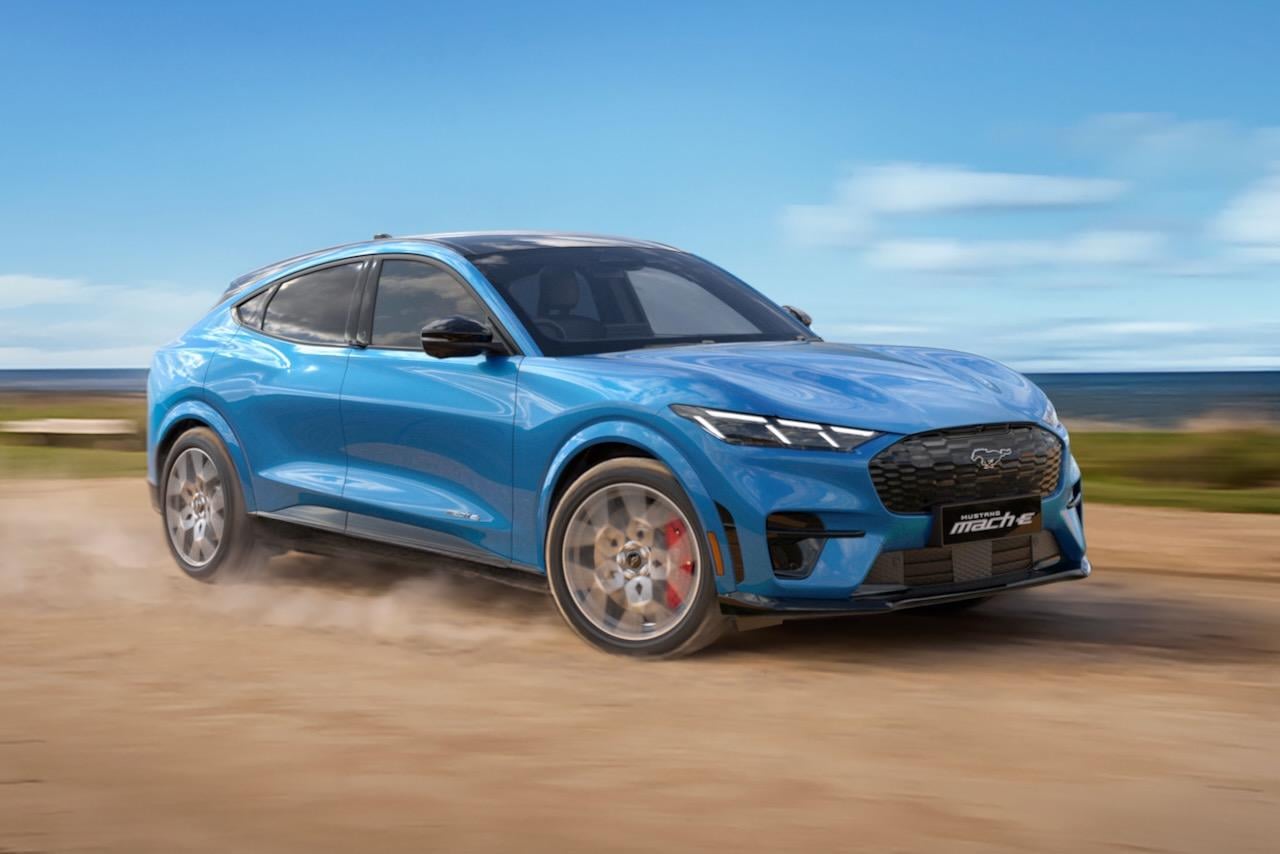
If you want to pontificate about the legacy of the Mustang nameplate, you’re free to do so. But it shouldn’t detract from the fact the Mach-E is one of the most dynamically sorted mid-size SUVs you can buy – electric or otherwise.
As rapid as the Mach-E GT is, I consider the standard all-wheel drive variant to be the most enjoyable of the fleet (I promise I’m not trying to win the contrarian Olympics here). The more reasonable output figures don’t overwhelm the chassis quite so easily, making for a more balanced experience when you’re trying to have a bit of fun.
Keen to rotate, a curious amount of rearward bias, and enough power to swing the tail out. All on an appropriate piece of road, of course.
MORE: Explore the Ford Mustang Mach-E showroom
Dave Kavermann, Motoring Journalist (New Zealand)
Tesla Model 3 Performance
It bugs me that I like this car. The Tesla Model 3 is so clearly pitched at people who like smartphones more than cars. That makes it the perfect device for people who consider car ownership a necessary inconvenience of daily life.
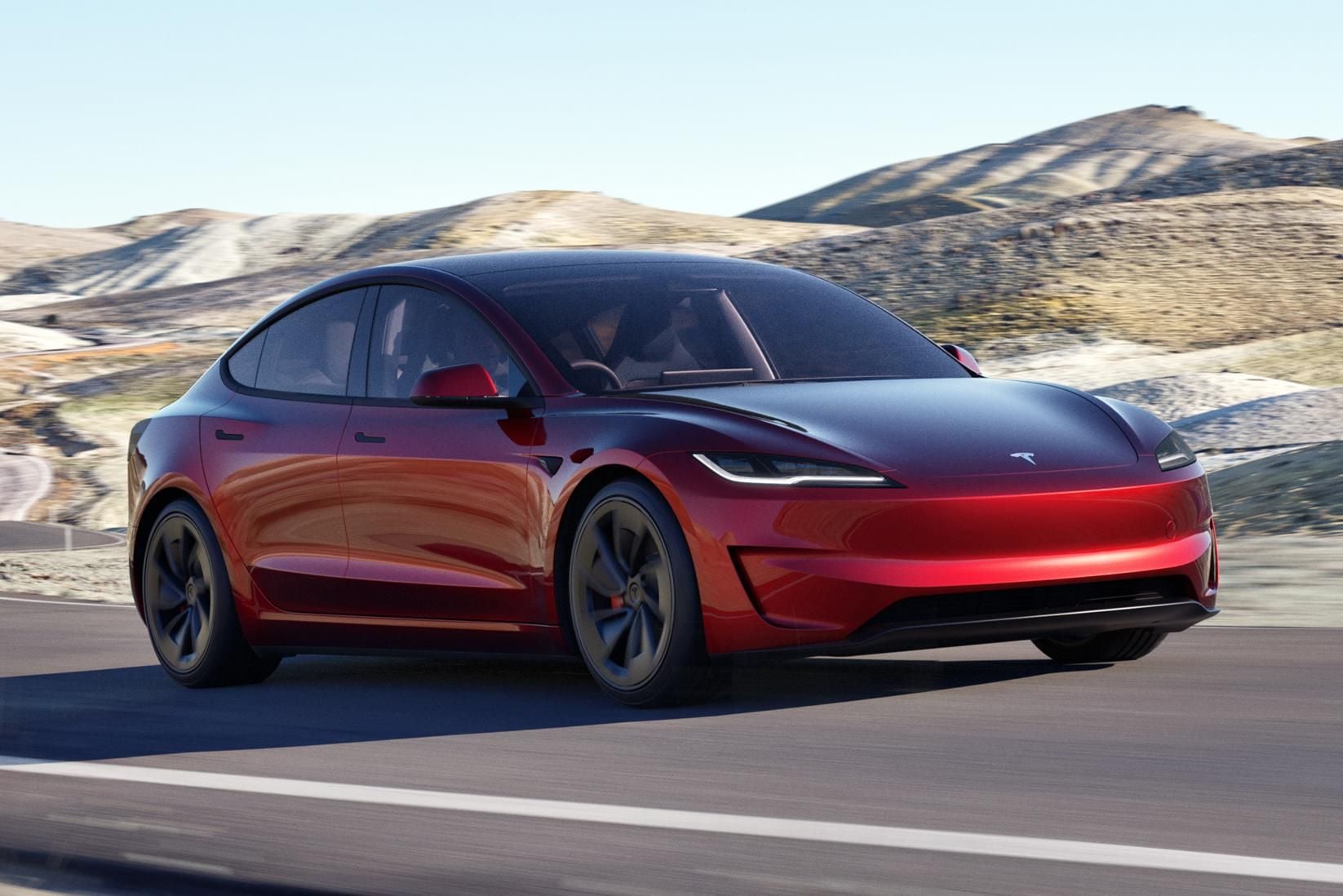
Yet atop the Model 3 range is a car that can decimate performance cars three times its price in a straight line, but what makes it my choice is what happens when you reach the first corner.
In 2024, the Tesla Model 3 Performance gained adaptive dampers that adjust in real time, transforming the ride characteristics under load compared to the first model. Combine that with a low centre of gravity, a rear-biased torque split, wider rear tyres and a track mode that allows for powerslides and it is, begrudgingly, an EV that is a blast to drive.
And for the money, it’s basically the fastest cars in the world.
MORE: Explore the Tesla Model 3 showroom
James Wong, Marketplace Editor
Hyundai Ioniq 5 N, Porsche Taycan and Audi RS e-tron GT
I’m normally one to complain when my colleagues list multiple choices in these sorts of opinion pieces, but hear me out.
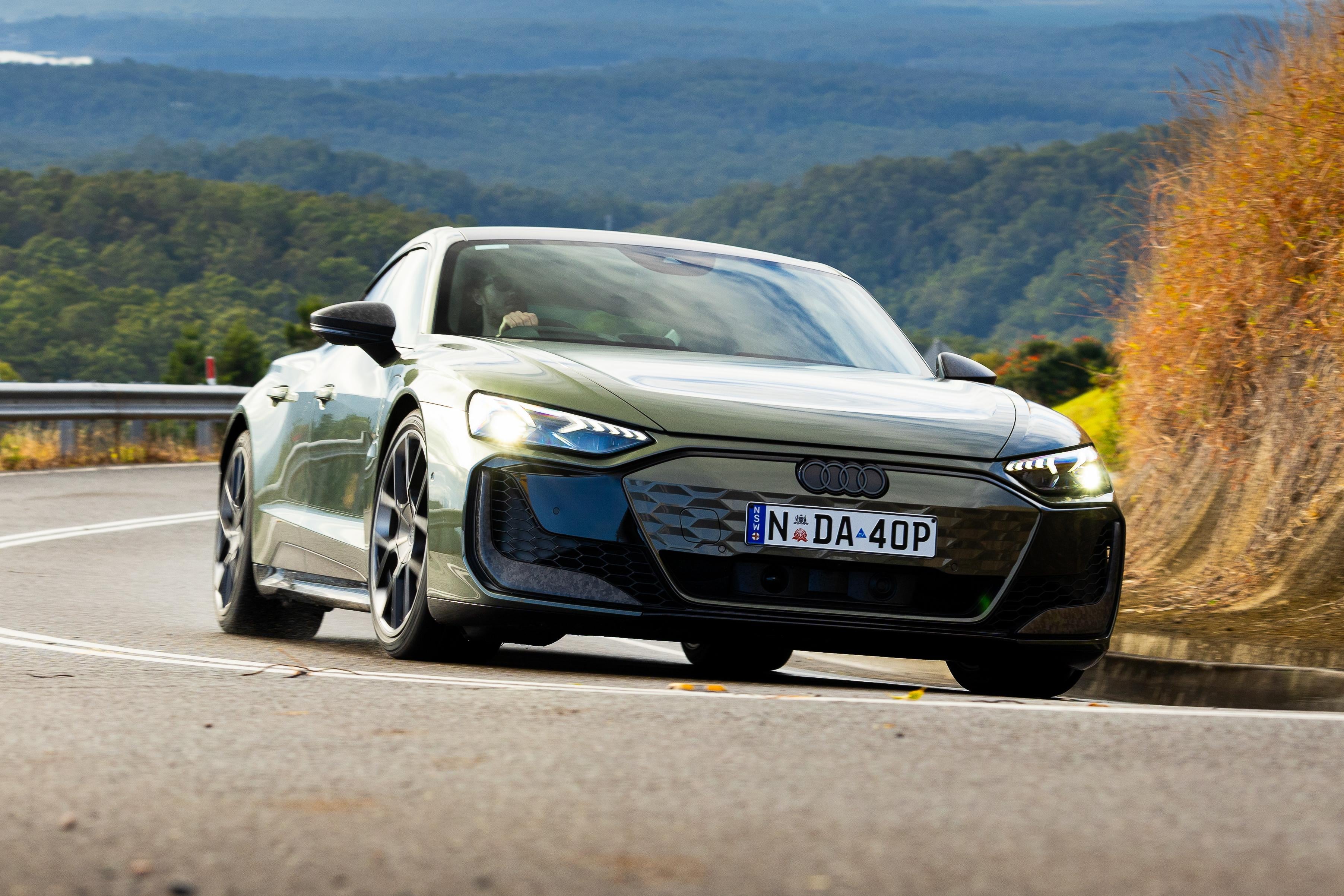
Several EVs I’ve driven are ‘fun’ or ‘enjoyable’ to drive, but very few are what I’d consider to be a ‘blast’, or even good enough for enthusiasts like myself to actually be tempted to buy one.
And, in this very exclusive club, there are quite different price points. The Ioniq 5 N is hardly ‘affordable’ at over $100,000, but it’s a hoot to drive and will also surprise you with just how dynamic and capable it really is.
But the Ioniq 5 N is also a crossover, so I’d argue the upcoming Ioniq 6 N will be the pick of those siblings when it arrives later this year.

Speaking of siblings, the Porsche Taycan and Audi e-tron GT are twins under the skin with different pitches – the Audi offers a more balanced all-rounder vibe with dynamic leanings, while the Taycan is the consummate electric Porsche.
If you’re covering longer distances often or more partial to a comfortable everyday drive, the Audi offers much of the Porsche’s dynamic goodness along with a softer edge, while the keenest of drivers will be drawn to the Porsche’s more direct steering response and tighter handling.
Regardless, you’re looking at around the $250,000-$300,000 mark if you’re wanting either of those (at retail pricing, anyway), so there’s a price to pay for a properly fun electrified drive.
MORE: Explore the Hyundai Ioniq 5 showroom
MORE: Explore the Porsche Taycan showroom
MORE: Explore the Audi e-tron GT showroom
Ben Zachariah, Road Test Editor
Volkswagen ID. Buzz
The good news is electric cars are becoming more fun and engaging to drive.
The sad news is, while I’ve been lucky enough to drive a handful of them – from the Mini Cooper JCW E to the Porsche Taycan Turbo – almost none of them have left an impression on me.
That doesn’t mean there aren’t any that are good, or that I’m anti-EV – far from it. I just find electric vehicles more suited to relaxed commuting. I’d rather take an old manual, rear-driven econobox with less power than my lawnmower for a spirited drive through the hills over a gazillion-kiloWatt electric supercar. The electric stuff just doesn’t excite me in the same way.
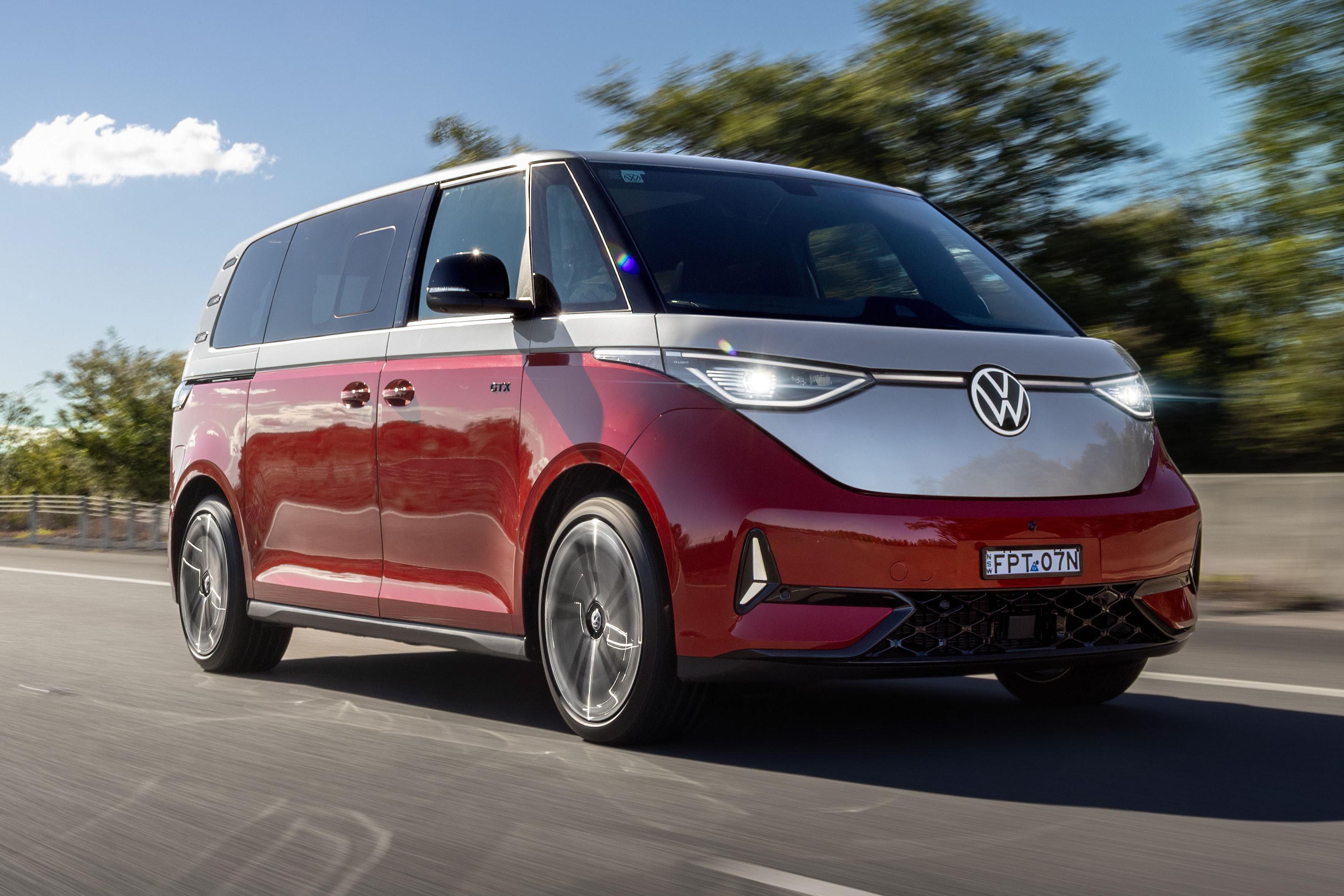
Except, there is one that stands out… the Volkswagen ID. Buzz. No, it isn’t a hot hatch or sports car. The fact is it’s just a rad electric van that does everything well – and I only drove the commercial single-motor, rear-wheel drive ID. Buzz Cargo around Sydney’s suburbs. It was practical, funky, and offered an honest and fun driving experience. And it only gets better from there.
Marty’s review of the all-wheel drive ID.Buzz GTX makes me think the spicy toaster would be right up my alley – and I could use it to transport my motorcycles.
MORE: Explore the Volkswagen ID. Buzz showroom
William Stopford, News Editor
Hyundai Ioniq 5 N
My first time driving the Ioniq 5 N was in Korea, where we drove from Seoul to Mokpo and then got to hurl it around Korea International Circuit.
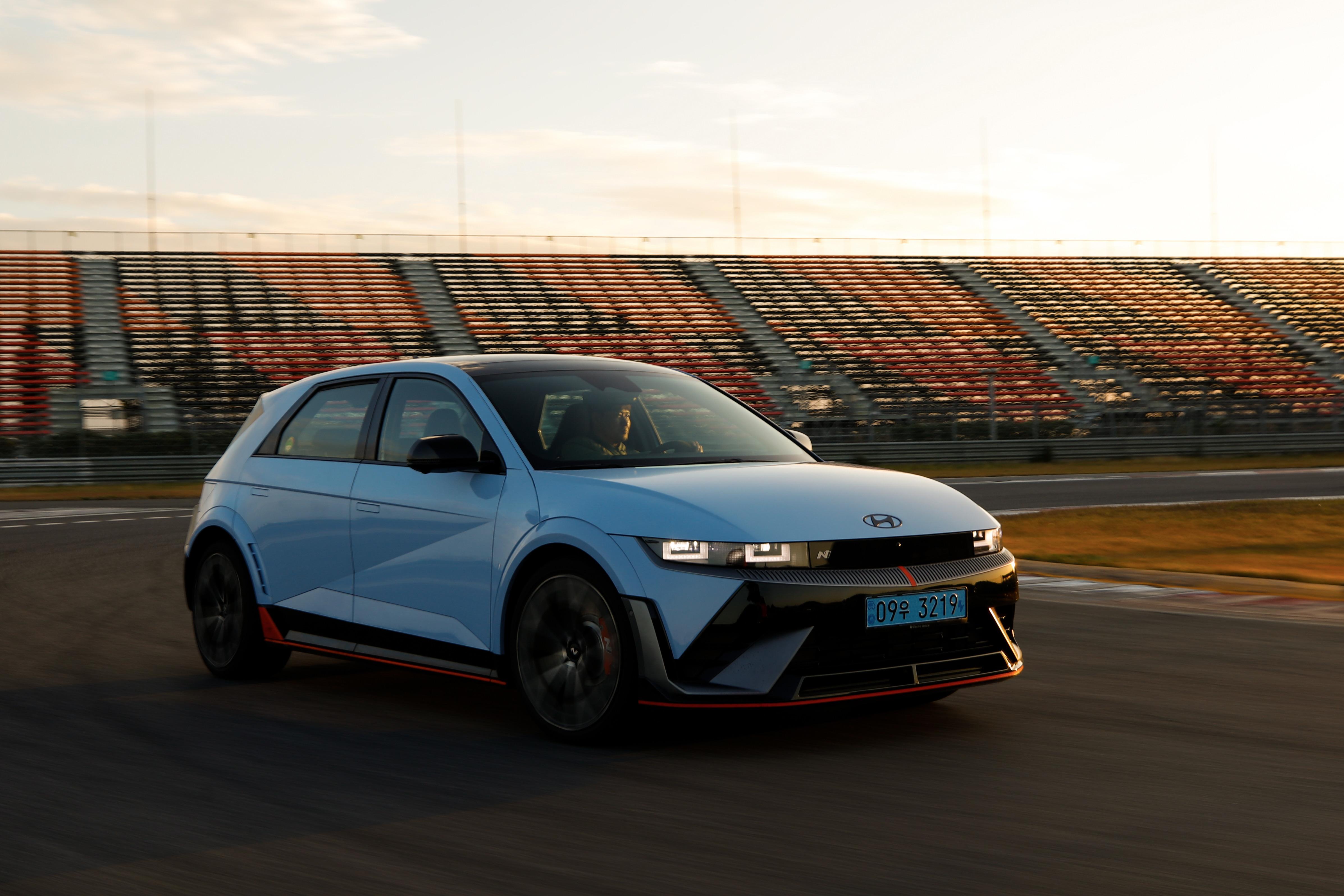
Even before we got to the track, it delighted. Yes, the gear shifts and the sounds are all fake, but they make it feel more like a sporty combustion-powered car. And if you hate them, you can turn them off and drive it like a regular EV.
But this isn’t a regular EV. The level of adjustability in this has spoiled me for other EVs, even high-end fare like the Audi RS e-tron GT, with features like the N Pedal and N Torque Distribution allowing you to tailor the N to your liking. I of course configured the latter to deliver 100 per cent of torque to the rear wheels, and had an absolute blast.
Fun on the track, fun on a winding road, even just fun tootling around town. And to think, the upcoming Ioniq 6 N could be even more engaging.
Hyundai is a leader in the sporty EV market, and it’s plain to see why other brands are looking at adopting some of its features.
Speaking of other brands, I’m excited to drive BMW’s new Neue Klasse EVs and Cadillac’s V-Series SUVs, given the depth of handling expertise that engineers at both companies have.
MORE: Explore the Hyundai Ioniq 5 showroom
Josh Nevett, Deputy Marketplace Editor
BMW iX3 50 xDrive
The obvious candidate that jumps to mind here is the Hyundai Ioniq 5 N, but I haven’t driven it enough to be sure. As such, I’m forced to pivot to the first of BMW’s ‘Neue Klasse’: the 2026 iX3.
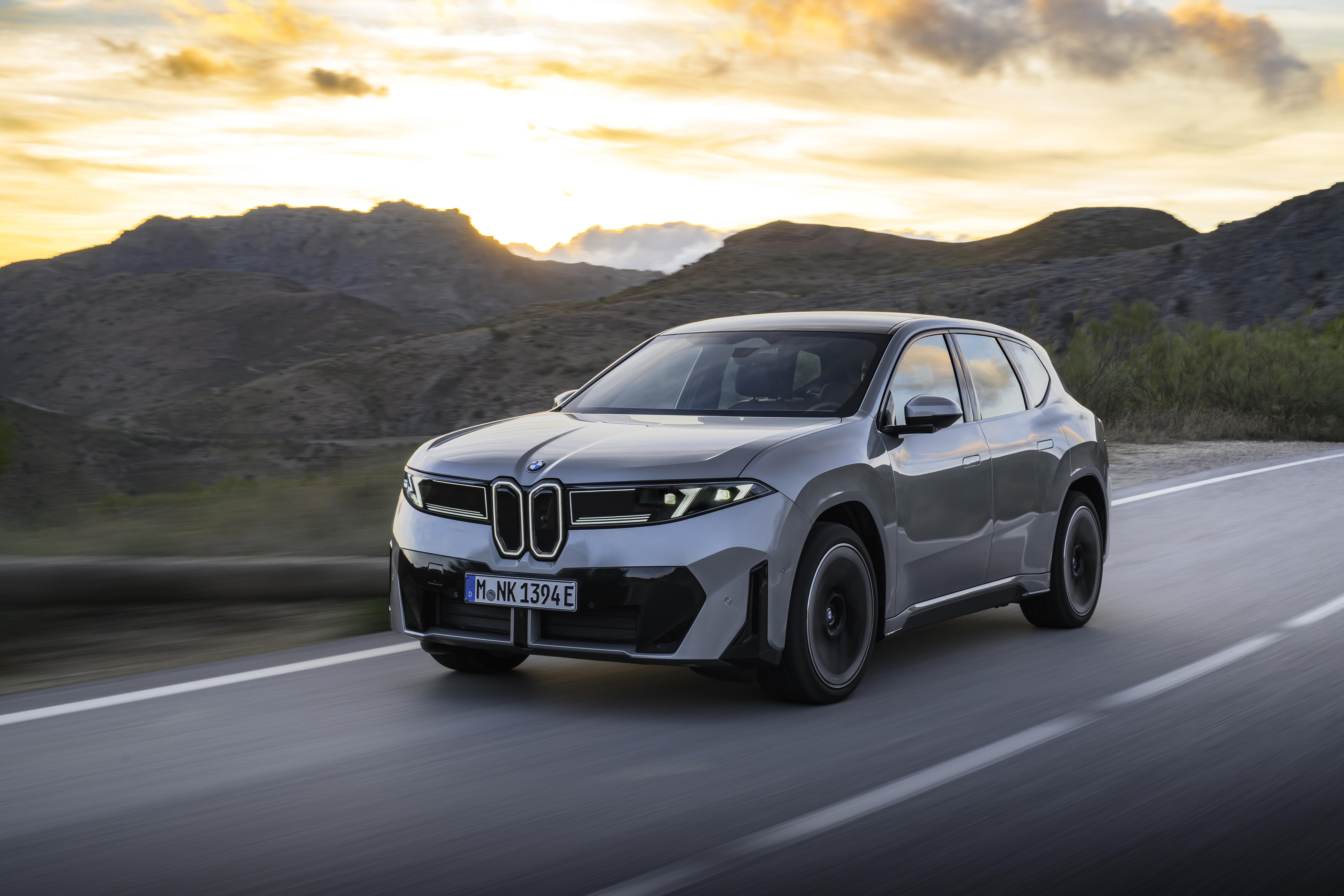
It may weigh nearly 2.4 tonnes, but this upcoming electric SUV still drives like a BMW should, offering superb ergonomics, engaging rear-biased dynamics, and strong straight-line performance.
Unfortunately for Aussies, deliveries of the new iX3 won’t kick off until mid-year. Having said that, it’ll be worth the wait… provided the price is right.
Electric versions of the 3 Series and M3 will also be built on the same architecture and should steer even better, making it an exciting time to be in the market for a BMW EV.
MORE: Explore the BMW iX3 showroom
Damion Smy, Deputy News Editor
Hyundai Ioniq 5 N
The Ioniq 5 N is an absolute cracker, and it’s a car referenced by the Lamborghini chief tech officer during an interview I had with him last year – that’s how good it is to drive.
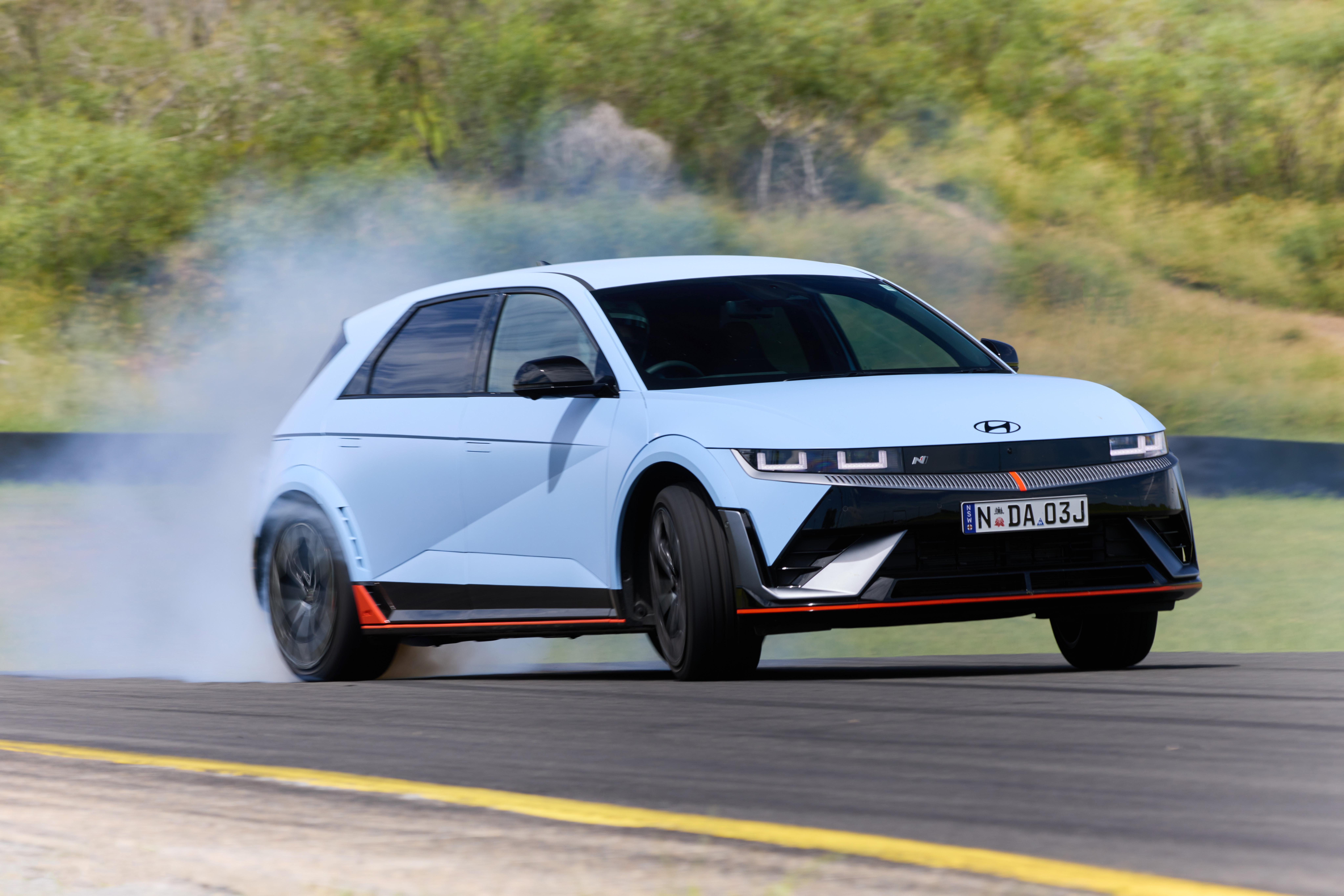
So, while I love the BMW i5 M50 Touring, the 5 N would be my daily EV of choice, no holds barred, money no object. Its character, pace, surprisingly practicality and ease of use have won me over. The rear suspension can, on occasion, be crashy, but the stance, the roadholding and the dynamics are as ballsy as the powertrain underneath it.
Attitude and ability, together at last. It may have to make room for the M3 EV, given the capability it promises and BMW’s proven track record of making almost anything it touches properly engaging. But for now, yes, it’s a $110k Hyundai for me.
MORE: Explore the Hyundai Ioniq 5 showroom
Sean Lander, Video Producer
Rivian R1S
The Hyundai Ioniq 5 N and the Porsche Taycan are obvious answers – both are born coded racers that have been developed to be the epitome of bionic performance. But they are still just one-trick ponies: fast and agile, despite their weight.
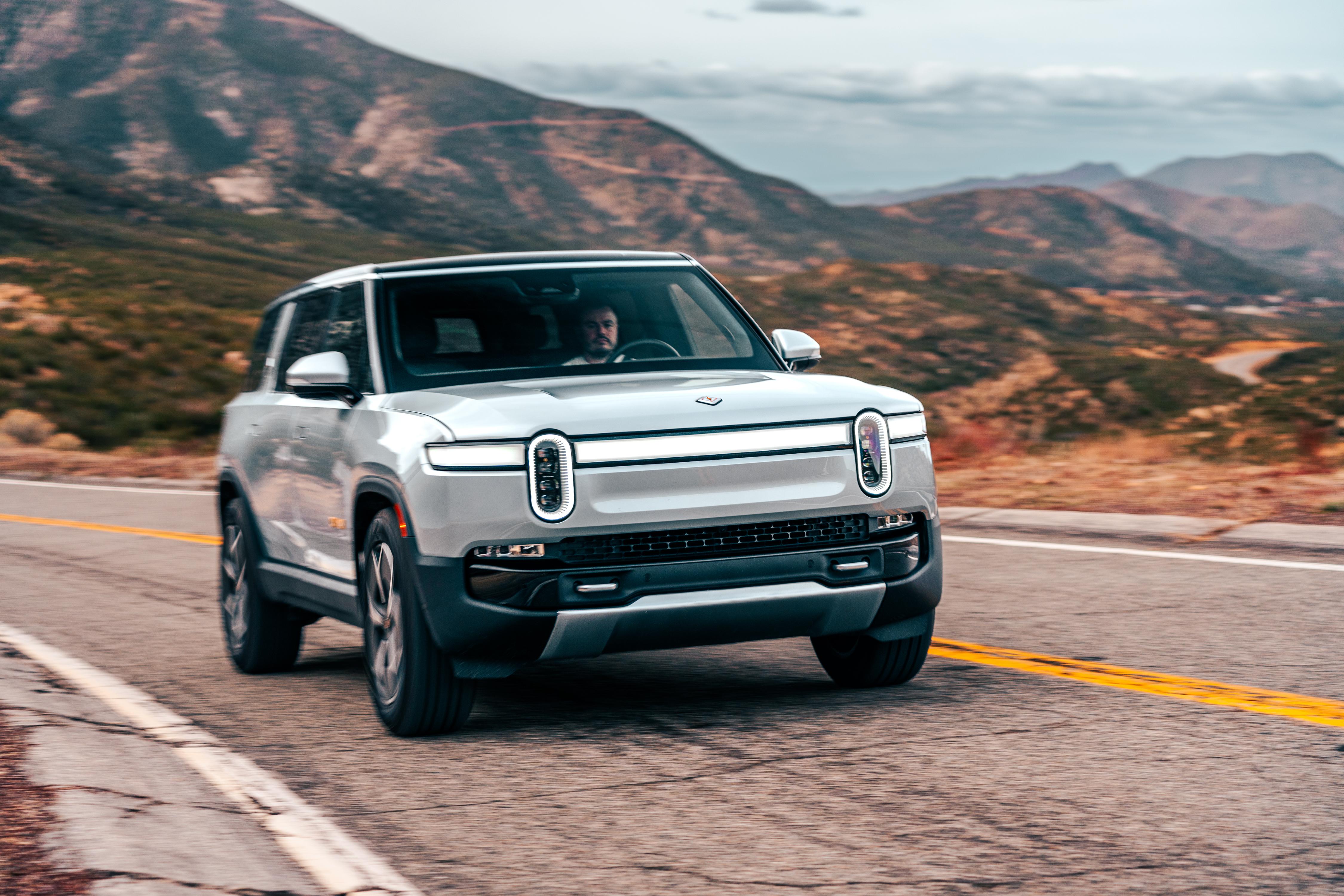
While it’s not technically on sale in Australia, the Rivian brand probably produces what I think are the most exciting EVs you can drive. They cover a lot of bases: the R1T for the tradesman; the R3 for those who only need to take the dog to the forest; and the R1S, the quad-motor, off-road monster that not only looks really cool, but is actually a hoot to drive.
When we drove one back in 2024, it packed 623kW of power, a huge 135kWh battery, and produced enough torque to rival a Chevy HD. It was thirsty, and heavy, and the suspension desperately needed a better tune. But as soon as we hit the dirt with it, it all started to make sense.
To mock a former Prime Minister, the R1S proved EVs aren’t necessarily going to end the weekend. It was a blast on road and off, and if they fixed the suspension and brought it south of the Rio Grande (and across the Pacific) I would absolutely consider one.
As a backup, the Ford Mustang Mach-E Rally sure seems fun.
MORE: Explore the Rivian R1S showroom
Max Davies, Marketplace Journalist
Polestar 2 Long range Dual motor Performance
I know this is an obscure choice, but hear me out.
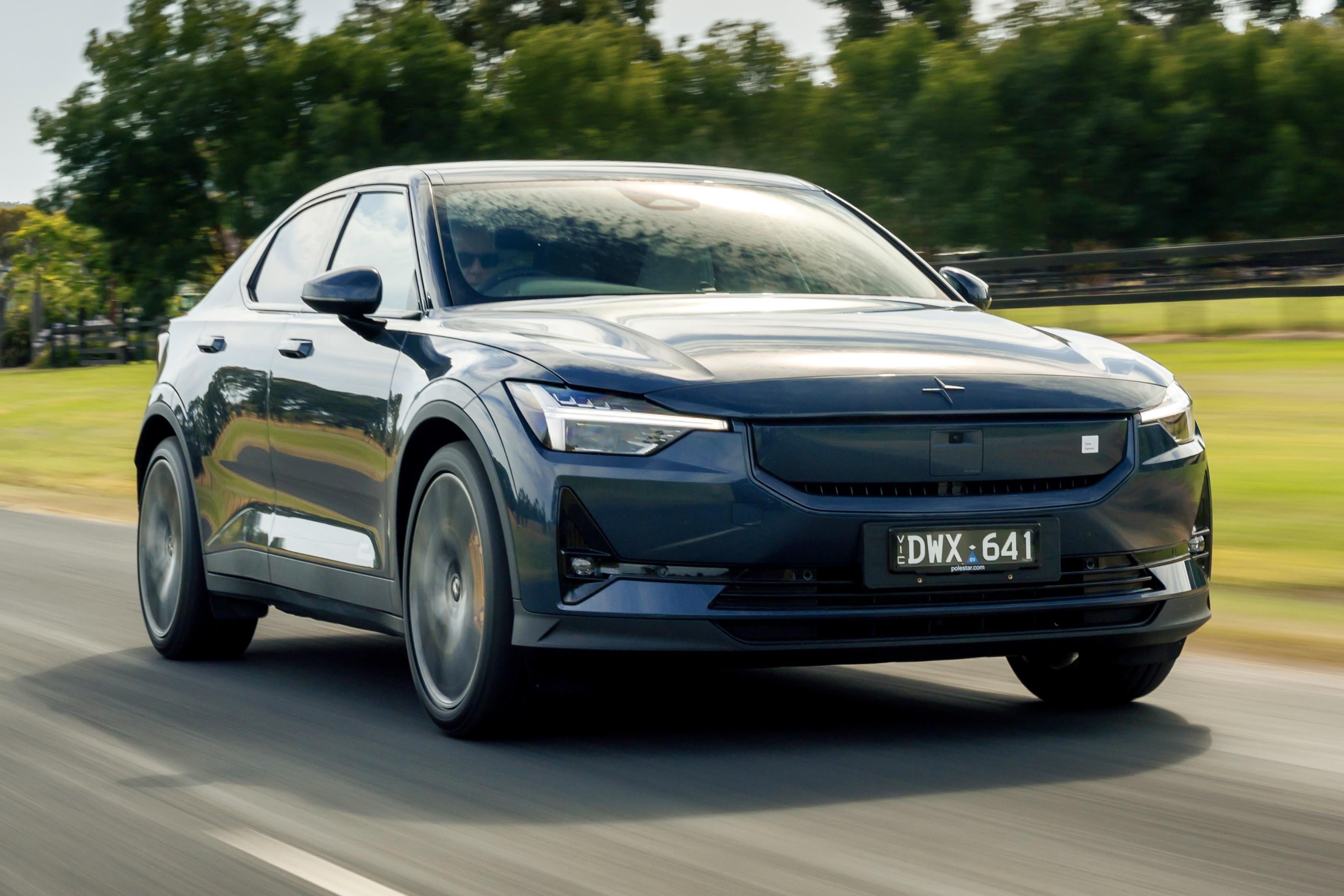
Having recently driven the whole Polestar 2 range back-to-back, I was genuinely impressed by the on-road behaviour of the top-spec Performance. The interesting thing is that there are only a handful of tweaks over the ‘normal’ alternatives, yet the difference is night and day.
Highlights include manually adjustable Öhlins dampers (admittedly a bit crude in the modern age) that strike a great balance between daily usability and dynamic handling straight out of the box, strong brakes that far outperform those in many other fast EVs, and sticky Continental tyres for improved grip.
The result is a planted ride that inspires so much confidence on twisty roads, encouraging you to dial up the speed without showing a hint of struggle when you do so. The all-wheel drive layout makes it very predictable and easy to drive fast and, of course, it’s blisteringly quick by default.
The rear-wheel drive alternative may be more lively, but it lacks the fancy suspension. That’s why I think the Performance is a seriously impressive package – provided you can get past the $85,000-plus sticker price.
MORE: Explore the Polestar 2 showroom
Leave a Comment